Indoor Hydroponic Garden System: Easy Herbs & Greens
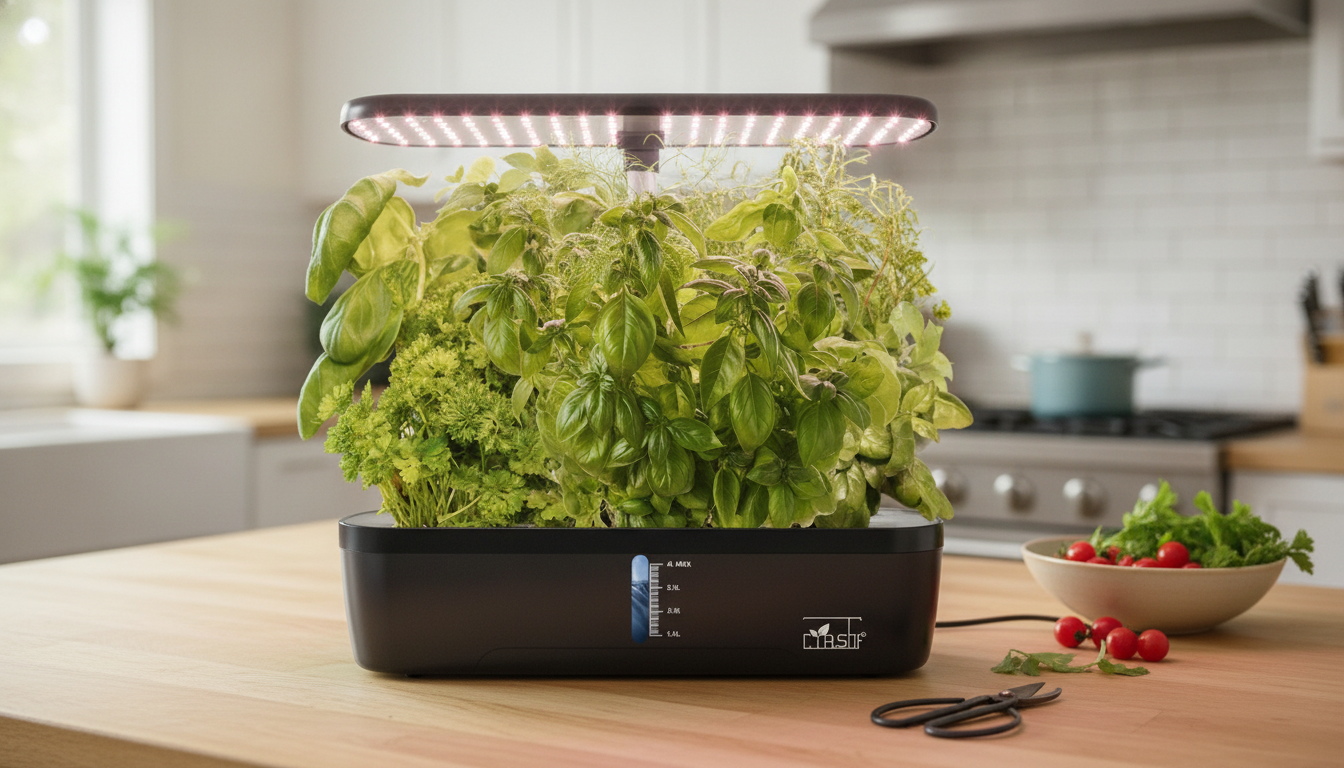
Indoor Hydroponic Garden System for Fresh Herbs and Greens at Home
An indoor hydroponic garden system makes it possible to grow herbs, leafy greens, and small vegetables without soil, even in small apartments or low-light rooms. With the right setup and a simple routine, it can deliver steady harvests, cleaner planting, and more control over water and nutrients than many traditional pots.
What an Indoor Hydroponic Garden System Does
Hydroponics is a method of growing plants with their roots supported by water and a growing medium rather than a potting mix. In a compact indoor unit, the goal is to keep roots consistently hydrated while still giving them oxygen—two conditions that help herbs and greens grow quickly and predictably.
- Grows plants in water enriched with nutrients instead of soil
- Uses a reservoir and circulation (or wicking) to keep roots consistently hydrated and oxygenated
- Pairs best with compact crops: basil, mint, cilantro, lettuce, arugula, spinach, and microgreens
- Reduces common soil issues like fungus gnats, messy spills, and uneven watering
- Makes growth easier to monitor because roots, water level, and nutrient strength can be checked directly
For a deeper overview of how hydroponics works in practical home setups, the University of Minnesota Extension offers a straightforward primer on hydroponics. For broader context on indoor growing and controlled environments, USDA resources on Controlled Environment Agriculture (CEA) are also useful.
Who It’s Best For
Indoor hydroponic gardens fit a surprisingly wide range of households because they’re tidy, repeatable, and easy to keep close to the kitchen.
- Home cooks who want quick access to fresh herbs without repeated grocery runs
- Beginners who prefer a guided, repeatable routine over trial-and-error potting mixes
- Small-space growers who need a countertop or shelf-friendly footprint
- People with limited outdoor access or seasonal weather constraints
- Gift-givers looking for a practical, hobby-friendly item that can be used year-round
Key Parts to Look For Before Buying
Not all indoor hydroponic systems feel the same day-to-day. The most important differences show up in how many plants you can grow at once, how stable the reservoir stays, and how simple it is to clean and maintain.
- Grow sites: the number of pods/net cups determines how many plants can grow at once
- Reservoir capacity: larger tanks need less frequent refills and help stabilize nutrient levels
- Lighting: a built-in LED grow light improves consistency in darker rooms; check adjustability for taller plants
- Pump and aeration: circulation and oxygenation help reduce root stress and support faster growth
- Build quality and access: wide openings and simple disassembly make cleaning easier
- Noise level: important for bedrooms, offices, and small apartments
Quick checklist for comparing systems
| Feature | Why it matters | What to look for |
|---|---|---|
| Number of grow sites | Determines how many plants fit | Enough sites for herbs + greens without overcrowding |
| Reservoir size | Affects refill frequency and stability | Clear fill line, easy top-off access |
| LED light coverage | Drives growth when sunlight is limited | Even coverage across all sites; adjustable height |
| Pump/aeration | Supports healthy roots and nutrient delivery | Consistent flow; easy-to-clean intake area |
| Controls/timers | Helps maintain routine | Simple on/off and a predictable light schedule |
| Cleaning access | Prevents algae and buildup | Smooth surfaces; parts that come apart easily |
Setup Basics: From Unboxing to First Sprouts
Most of the “success” with indoor hydroponics happens in the first week: a stable location, clean water practices, and the right light distance. Once the seedlings are established, the system becomes a low-effort routine.
- Place the unit on a stable surface away from heat vents and direct splashes
- Rinse the reservoir and components before the first fill to remove manufacturing dust
- Fill with clean water, add nutrients as directed by the nutrient brand, and mix thoroughly
- Start seeds in compatible pods/media and keep them evenly moist until germination
- Run the light on a consistent schedule; keep the light close enough for seedlings without overheating
- Thin seedlings early so each site supports one strong plant (especially for basil and lettuce)
If you plan to eat what you grow, basic water-quality awareness is helpful. The FDA’s information hub on food safety and water considerations can be a good reference point for safe handling and cleanliness.
Simple Weekly Routine for Healthy Growth
Common Problems and Quick Fixes
Product Options Available Now
- Indoor Hydroponic Garden System ($56.51): a compact way to start growing herbs and greens indoors with a clean, soil-free approach.
- Nature’s Healing Power Checklist: Boost Your Mental Health with the Benefits of Nature ($2.99): a simple printable-style guide that pairs well with a daily “check, top off, harvest” routine for anyone building calmer habits around indoor growing.
- DIY 3D Owl Clock Wooden Model Kit – Creative Puzzle Assembly Toy for Adults & Kids ($44.82): a gift-friendly, hands-on build for hobby lovers—nice for setting up a small indoor garden corner that feels intentional and fun.
FAQ
How often does the water need to be changed in an indoor hydroponic system?
Most indoor systems do well with a full water change every 1–2 weeks, while topping off with clean water in between as the reservoir drops. The best interval depends on reservoir size, how many plants are growing, and warm room temperatures that speed up evaporation and nutrient uptake.
What are the easiest plants to grow in a small indoor hydroponic garden?
Basil, mint, cilantro, lettuces, arugula, spinach, and microgreens are reliable starters that grow well in compact systems. Fruiting plants usually need more light and space than a small countertop unit can comfortably provide.
Do indoor hydroponic gardens attract bugs?
They usually attract fewer pests than soil setups because there’s no potting mix for common nuisances like fungus gnats. Keeping the reservoir covered, wiping spills, and not leaving overly wet starter media exposed helps keep the growing area tidy and pest-resistant.














Leave a comment