Clean Cat Ears Safely: Gentle Steps & Vet Red Flags
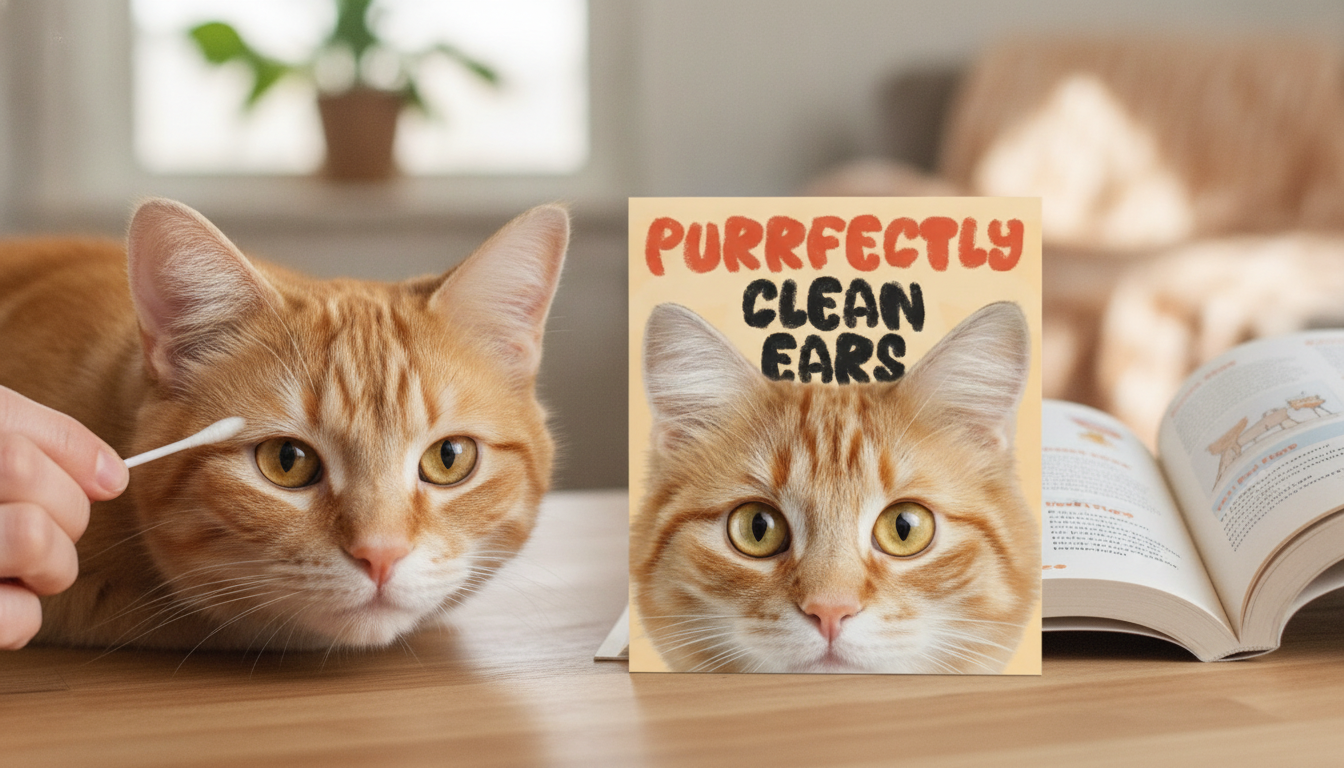
Purrfectly Clean Ears: A Gentle Guide to Keeping Your Cat’s Ears Healthy
Clean, comfortable ears support a cat’s overall wellbeing—but ear care should always be calm, minimal, and safe. Most cats don’t need frequent ear cleaning, and “more cleaning” can sometimes make irritation worse. The goal at home is simple: notice changes early, keep handling gentle, and clean only the visible areas when it’s truly appropriate.
For deeper background and a printable routine you can follow step by step, see Purrfectly Clean Ears: A Gentle Guide to Keeping Your Cat’s Ears Healthy – How to Clean Cat Ears Safely. If your cat gets tense during handling, pairing short sessions with calm, predictable “wind-down” habits can help—some owners also like a simple reset tool like Nature’s Healing Power Checklist: Boost Your Mental Health with the Benefits of Nature to support a more relaxed routine for everyone in the home.
What Healthy Cat Ears Look and Smell Like
Healthy cat ears are typically light pink inside, with a smooth surface and minimal wax. A small amount of pale yellow or light brown wax near the opening can be normal, especially in cats who naturally produce a bit more earwax.
- A light pink inner ear with minimal wax and no swelling is typical.
- A mild “clean skin” scent is normal; a strong odor can signal infection or yeast.
- Small specks of wax are common; heavy dark debris, crusting, or discharge is not.
- Head shaking, scratching, sensitivity, or a tilted head are signs to pause and assess rather than “clean through it.”
If your cat’s ears suddenly smell bad, look red, or seem painful, treat that as useful information—not a reason to scrub harder. Repeated cleaning of an already-inflamed ear can increase swelling and discomfort.
When Cleaning Helps (and When It Should Wait for a Vet)
At-home cleaning is best reserved for mild, visible wax at the outer ear when your cat is comfortable and the ear otherwise looks normal. If anything seems “off,” the safest move is to pause and get medical guidance first.
- Cleaning can help when a cat has mild, visible wax at the outer ear and no pain, swelling, or foul odor.
- Skip at-home cleaning and contact a veterinarian if there is redness, heat, bleeding, significant swelling, thick discharge, strong odor, sudden sensitivity, or balance issues.
- Cats with recurring ear problems may need an exam to rule out mites, infection, polyps, allergies, or foreign material—cleaning alone won’t resolve these.
- If an ear looks very dirty, it can be tempting to clean repeatedly; over-cleaning can irritate the ear canal and worsen inflammation.
Quick ear check: what to do next
| What you notice | What it may mean | Best next step |
|---|---|---|
| Light wax near the opening, no odor | Normal buildup | Wipe outer ear only if needed |
| Dark “coffee-ground” debris | Possible ear mites | Vet exam; avoid deep cleaning |
| Strong odor, redness, moist discharge | Possible infection/yeast | Vet exam before cleaning |
| Pain, yelping, swelling, head tilt | Inflammation or deeper issue | Urgent vet evaluation |
For more detail on common ear conditions and why prompt diagnosis matters, you can review references from Cornell University’s Feline Health Center and the Merck Veterinary Manual.
Supplies That Keep the Process Gentle
Gather everything first so the cleaning itself is quick. A calm setup often matters more than perfect technique.
- Veterinarian-recommended cat ear cleaner (avoid alcohol or hydrogen peroxide unless specifically prescribed).
- Cotton pads or gauze squares for wiping the outer ear; avoid cotton swabs in the ear canal.
- Towel for a “kitty burrito” wrap to reduce sudden movements without force.
- Treats or a favorite lickable snack to create a calm association and reward cooperation.
- Optional: disposable gloves if there is debris or odor (and to reduce cross-contamination between ears).
How to Clean Cat Ears Safely: A Calm, Step-by-Step Routine
This routine is designed to be low-pressure and shallow—focused on the visible ear flap and opening, not the deeper canal.
If you’d like a structured checklist you can follow each time (especially helpful for multi-cat homes), Purrfectly Clean Ears: A Gentle Guide to Keeping Your Cat’s Ears Healthy – How to Clean Cat Ears Safely organizes the process into a simple, repeatable flow.
Common Mistakes to Avoid
How Often to Clean and How to Make It Less Stressful
A Simple Guide to Safe Ear Care at Home
FAQ
Is it safe to use cotton swabs to clean my cat’s ears?
No—avoid cotton swabs in the ear canal because they can push debris deeper and may injure sensitive tissue. Use gauze or a cotton pad to wipe only the visible ear flap and the outer opening.
How can ear mites be told apart from normal wax?
Ear mites often cause dark, “coffee-ground” debris along with intense itchiness and frequent head shaking. A veterinarian should confirm the cause and provide treatment, since repeated cleaning alone won’t eliminate mites.
How often should cat ears be cleaned?
Many cats don’t need routine ear cleaning at all—only an occasional outer-ear wipe when wax is visible. If your cat has recurring buildup or past ear infections, follow a veterinarian’s recommended schedule.















Leave a comment