Portable Handheld Fabric Steamer Guide: Fast, Smooth Clothes
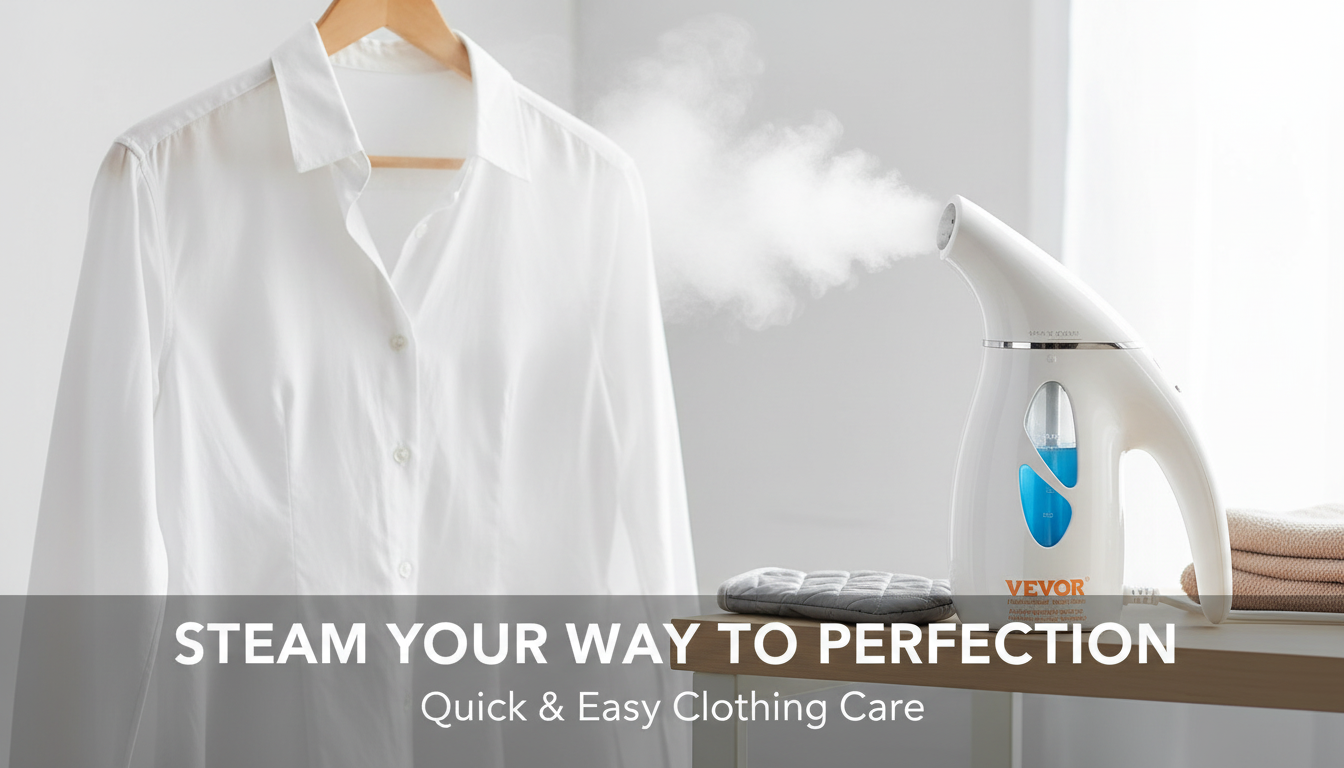
Portable Handheld Fabric Steamer: Smooth Clothes Fast at Home or on the Go
A portable handheld fabric steamer is a simple way to refresh wrinkled clothes quickly, help garments look polished between washes, and fit easily into a suitcase or a small closet. For busy mornings, travel days, and last-minute touch-ups, steaming can be the difference between “good enough” and “ready to walk out the door.” Below is a practical guide to what handheld steamers do best, what to look for, how to steam different fabrics, and how to keep your unit working smoothly over time.
What a handheld steamer does well (and where it struggles)
Handheld steamers use hot steam to relax fabric fibers so wrinkles release with minimal contact—no heavy soleplate pressing down like an iron. That makes them especially handy for quick de-wrinkling, refreshing “worn once” items, and smoothing light-to-medium creases on hanging garments such as dresses, blouses, and lightweight trousers.
Because you’re not clamping fabric against a hot plate, steaming can also be gentler for many delicate materials when used correctly. There’s typically less risk of shine marks on dark fabrics and fewer scorching accidents from lingering in one place.
Where steamers tend to struggle is on heavy cotton, thick denim, and any look that depends on sharp structure—think crisp collar points, knife pleats, or defined crease lines. An iron’s combination of direct heat and pressure is simply better for that kind of “pressed” finish. Many steamers can also help reduce odor and loosen lint or pet hair when paired with a fabric brush attachment (if included), but they’re not a replacement for washing or a dedicated lint remover.
Key features that matter for everyday use
Small design choices can make a big difference in how often a steamer actually gets used. These are the features that tend to affect day-to-day convenience the most:
- Heat-up time: Faster preheat is ideal for last-minute outfits; slower warm-up is fine if steaming is part of your routine.
- Steam output consistency: A steady plume is usually more effective than intermittent bursts, especially for larger panels like maxi dresses or wide pant legs.
- Water tank size: Bigger tanks mean fewer refills; smaller tanks usually travel better. Match capacity to how many garments you’ll do per session.
- Weight and balance: Vertical steaming takes arm time. A well-balanced, lighter unit helps reduce fatigue.
- Leak and “spit” resistance: Better steam pathways reduce droplets that can spot silk-like fabrics.
- Cord length (or cordless design): Longer cords help you move around a room; compact travel models may trade reach for packability.
- Attachments: Crease tools, lint brushes, and fabric guards can improve results on specific garments.
Fabric-by-fabric guidance
Steaming is not one-size-fits-all. The goal is to relax wrinkles while avoiding water spots, heat distortion, or over-wetting. Use these guidelines as a starting point and adjust based on the fabric’s reaction.
Steaming settings and approach by fabric
| Fabric type | Distance from fabric | Best technique | Extra note |
|---|---|---|---|
| Cotton | 1–2 in (2–5 cm) | Slow vertical passes, slight fabric tension | For sharp creases, press with iron after steaming |
| Wool | 2–4 in (5–10 cm) | Short passes, let fabric rest | Great for refreshing between wears |
| Silk/Satin | 4–6 in (10–15 cm) | Quick passes, constant motion | Test first to avoid spotting |
| Polyester | 2–4 in (5–10 cm) | Medium-speed passes | Avoid holding steam in one place |
| Linen | 1–2 in (2–5 cm) | Multiple passes, smooth by hand | Wrinkles return quickly; store carefully |
How to use a handheld steamer for cleaner results
Safety and care: prevent burns, mineral buildup, and leaks
Steam is effective because it’s hot—and that heat needs respect. For general guidance on avoiding burns and household injuries, review resources like the CDC. For fabric care best practices, the American Cleaning Institute is also a helpful reference.
When a handheld steamer is the right choice (home, dorm, travel)
Product spotlight: Portable Handheld Fabric Steamer
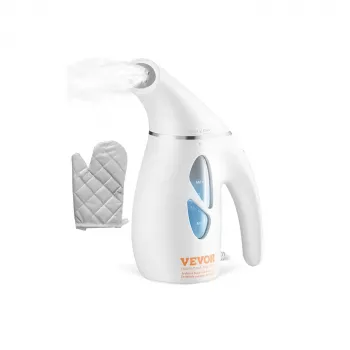
If your main goal is fast wrinkle release without setting up an ironing board, the Portable Handheld Fabric Steamer is designed for compact, grab-and-go touch-ups. For best results, steam on a hanger, keep the head moving, and allow a short drying time before wearing.
Quick details
| Item | Details |
|---|---|
| Product | Portable Handheld Fabric Steamer |
| Price | 34.51 USD |
| Availability | In stock |
| Product page | https://sleekfavesbay.shop/portable-handheld-fabric-steamer/ |
More picks for a smoother routine
- Vinyl Record Player C260, 3-Speed Bluetooth Vintage Turntable with Speakers (a solid dorm/apartment upgrade while keeping your closet setup minimal)
- DIY 3D Owl Clock Wooden Model Kit – Creative Puzzle Assembly Toy for Adults & Kids (a hands-on project for downtime between trips and busy weeks)
FAQ
Can a handheld steamer replace an iron?
A handheld steamer is excellent for fast de-wrinkling and refreshing garments, but an iron is better for sharp creases and heavy fabrics where pressure matters. If you regularly want crisp collars or pressed crease lines, keeping both tools covers more situations.
Is it safe to use a fabric steamer on silk or polyester?
It can be safe when you keep some distance, maintain constant motion, and test a hidden seam first. Silk-like fabrics may show water spotting, and synthetics can distort if steam is held too close in one spot.
Should distilled water be used in a handheld steamer?
It depends on the manufacturer’s guidance, but distilled or demineralized water often helps reduce mineral buildup in hard-water areas. Emptying the tank after each use also helps prevent residue and odors.











Leave a comment