Posture for Confidence: 60-Second Reset + Daily Checklist
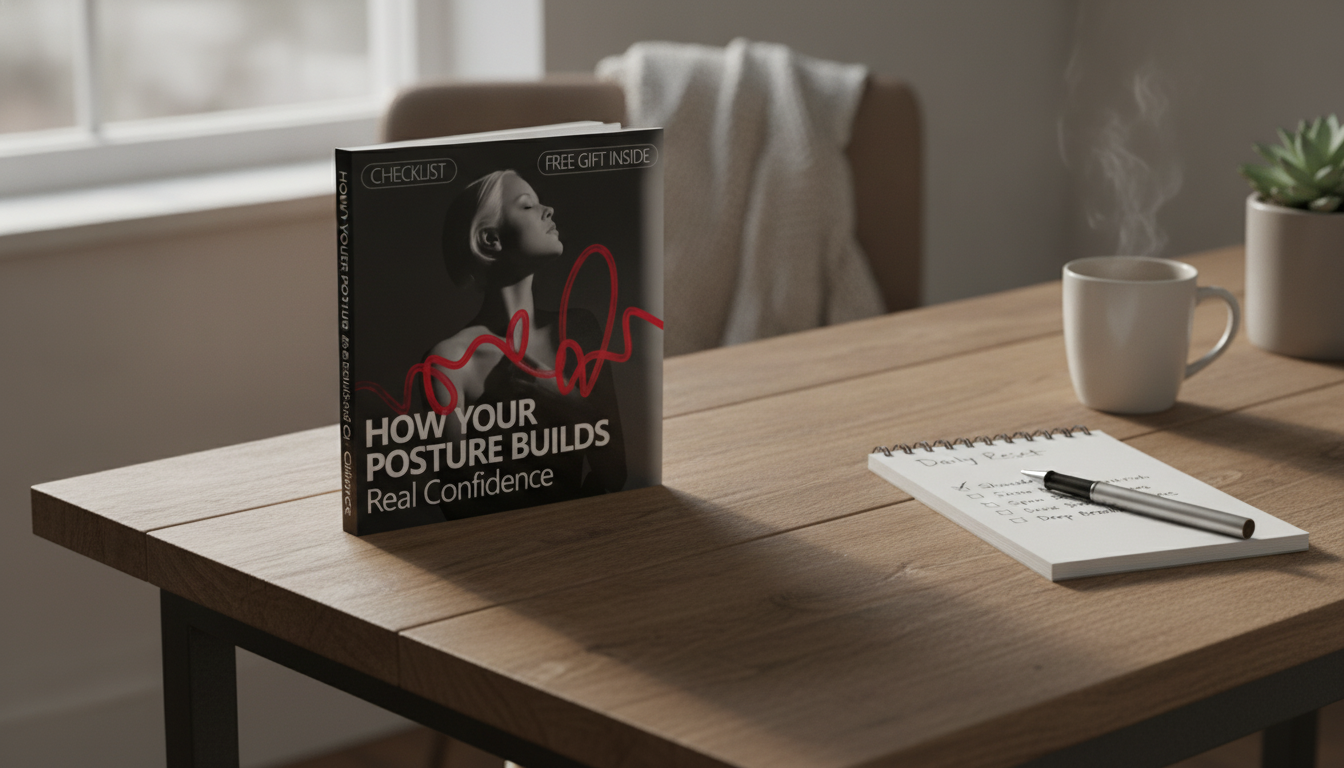
How Your Posture Builds Real Confidence: A Practical Checklist for Boosting Self-Assurance
Posture quietly shapes how capable and steady a person feels—both in private moments and in front of others. Small adjustments to alignment, breath, and stance can change body signals tied to safety, energy, and readiness. Instead of chasing a stiff “perfect posture,” aim for a balanced setup that feels stable, breathable, and mobile. The checklist below breaks posture into simple, repeatable cues you can use at a desk, while walking, and during high-pressure conversations.
Confidence and posture: what changes first
Posture influences how alert or guarded the body feels. Collapsed positions tend to encourage shallow breathing and tension, while stacked alignment supports calmer effort—especially when stress rises. At the same time, people read posture quickly: head position, shoulder width, and pace all shape first impressions before any words land.
Confidence also grows from consistency. When “upright but relaxed” becomes a default in daily micro-moments (emailing, waiting in line, entering a room), it’s easier to access that same steadiness in bigger moments—like presenting, negotiating, or setting boundaries. For a deeper overview of posture basics, see guidance from Cleveland Clinic and context on why alignment matters from Harvard Health Publishing.
Quick posture shifts and what they tend to change
| Posture cue | Body signal | Practical moment to use it | Common mistake to avoid |
|---|---|---|---|
| Feet grounded hip-width | Stability and readiness | Before speaking up in a meeting | Locking knees or gripping toes |
| Ribs stacked over pelvis | Easier breathing and steadiness | Standing in a line or presenting | Over-arching the lower back |
| Shoulders down and wide | Open chest without strain | Walking into a room | Pinching shoulder blades hard |
| Chin gently tucked (neck long) | Calm focus and clearer voice | Video calls and interviews | Pushing head back rigidly |
| Slow exhale (4–6 seconds) | Downshifts stress response | Right before a tough conversation | Holding breath to “look confident” |
The 60-second posture reset (anywhere)
Use this reset before walking into a room, joining a video call, or starting a tricky conversation. It’s designed to look natural, not performative.
- Start at the ground: plant both feet evenly; feel heel, big toe, and little toe contact.
- Soften the knees: keep a small bend so tension doesn’t climb into hips, ribs, and neck.
- Stack pelvis and ribs: imagine a vertical line from ears → shoulders → ribs → hips → ankles; adjust until it feels balanced.
- Widen collarbones: let shoulders fall away from ears, then gently widen as if draping over the ribcage.
- Lengthen the back of the neck: bring the chin slightly back so ears align over shoulders; keep the face relaxed.
- Breathe low and slow: inhale through the nose, then exhale longer than you inhale to reduce bracing.
- Soften the face: add a subtle smile or softened eyes so your expression matches an open stance.
If you want a simple breathing add-on, relaxation skills from the National Center for Complementary and Integrative Health (NCCIH) can help reinforce the “safe and steady” body signal that confident posture depends on.
Practical checklist for boosting self-assurance all day
Confidence improves when posture cues are tied to routines you already do—morning, desk time, walking, and conversations—so your body doesn’t have to “remember” under pressure.
Common posture traps that masquerade as confidence
Micro-habits for lasting change (no gym required)
Printable checklist resource
If you want a ready-to-use tracker, the printable guide How Your Posture Builds Real Confidence: A Practical Checklist for Boosting Self-Assurance is an easy way to keep cues consistent without overthinking.
| Daily moment | Your cue | What “right” feels like |
|---|---|---|
| Morning (30 seconds) | Long exhale + shoulders down and wide | Breath moves easily; chest open without strain |
| Desk check (60–90 min) | Feet flat + ribs stacked over pelvis | Less neck tension; steadier focus |
| Walking | Crown “floats up,” ribs stay stacked | Light steps; natural arm swing |
| Conversation | Weight centered + long neck | Voice feels supported; expression relaxed |
| Evening unwind | 2–3 minutes slow breathing | Shoulders drop; jaw unclenches |
For a complementary routine that supports calm and clarity, pair posture checks with a quick outdoor reset using Nature’s Healing Power Checklist: Boost Your Mental Health with the Benefits of Nature. And if you benefit from screen-free breaks that naturally pull you out of a slumped position, a hands-on project like the DIY 3D Owl Clock Wooden Model Kit – Creative Puzzle Assembly Toy for Adults & Kids can be an easy way to practice relaxed shoulders and a long neck while you work.
FAQ
Can posture really affect confidence, or is it only about appearance?
Posture affects breathing, tension, and nervous-system arousal, which can change how steady and capable you feel in the moment. Appearance can shift too, but the bigger win is a more comfortable, balanced alignment rather than stiffness.
How long does it take to feel a difference from posture changes?
A 60-second reset can create an immediate short-term shift in breath and steadiness. More stable habits typically build over a few weeks when cues are repeated daily and your desk/phone setup supports better alignment.
What if standing tall makes the back hurt?
Discomfort often comes from over-arching or holding rigidly; try soft knees, ribs stacked over pelvis, and slower breathing instead of “pushing up.” If pain persists or is sharp, consider workstation adjustments and professional guidance.













Leave a comment