5-Tier Heavy-Duty Metal Shelving for Garage & Pantry
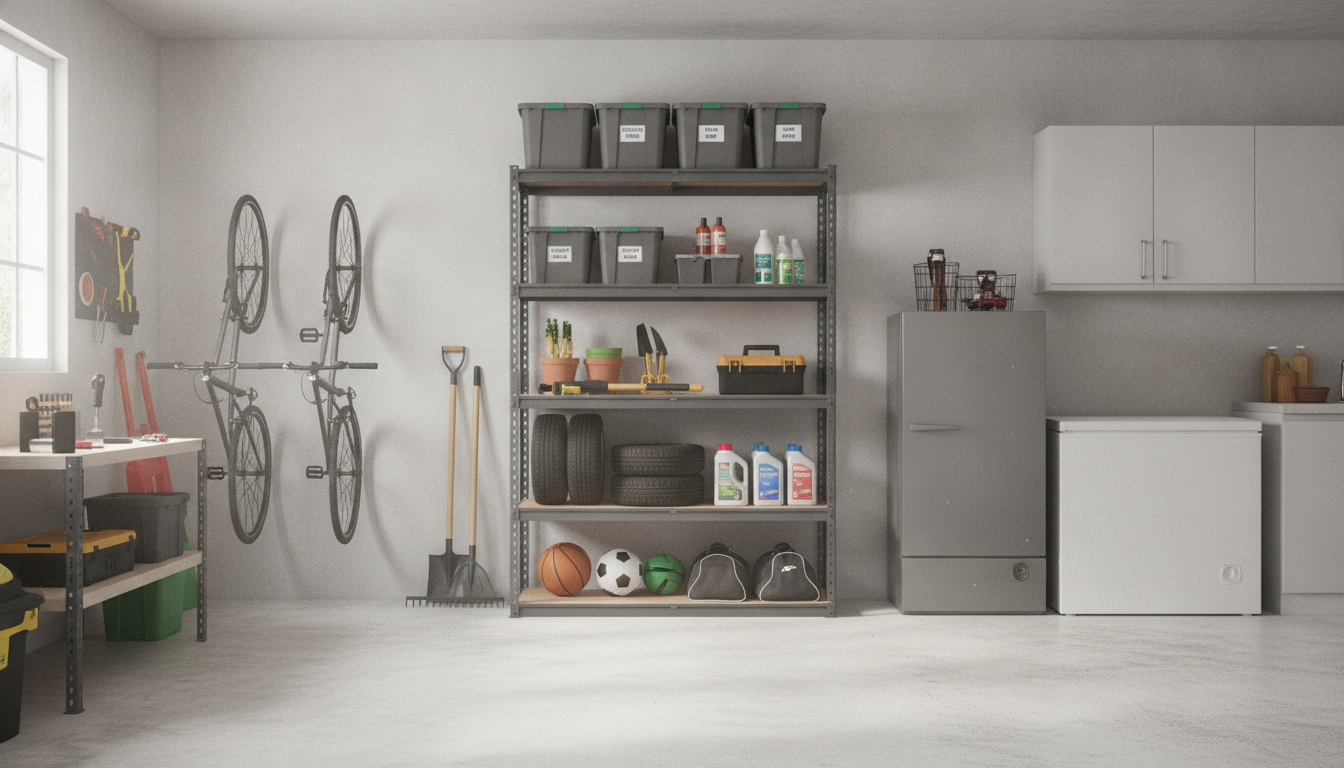
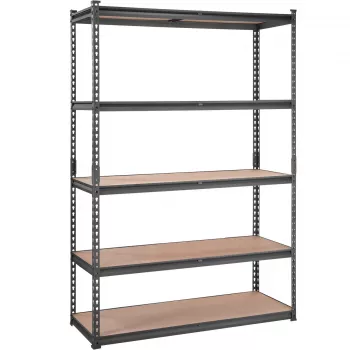
5-Tier Heavy Duty Metal Storage Shelving Unit for Garage, Pantry, and Utility Rooms
A sturdy shelving unit can turn cluttered corners into reliable storage for tools, bins, cleaning supplies, and pantry staples. This 5-tier heavy duty metal shelving unit is designed for everyday organization in spaces that need strength, stability, and easy access—so you spend less time digging through stacks and more time finding what you need fast.
What This Shelving Unit Solves
When storage runs out, the usual “solution” is stacking boxes higher, squeezing bins into narrow walkways, or leaving supplies on the floor. A tall, open shelving unit solves those problems by creating vertical capacity and keeping your items visible.
- Creates vertical storage to reclaim floor space in garages, basements, laundry rooms, pantries, and workshops
- Helps group items by category across five levels (frequent-use items at mid-height, heavy items lower)
- Keeps supplies visible and reachable compared with stacked boxes or tote towers
- Provides a dedicated spot for bulk items, seasonal décor, and maintenance supplies
Core Build Features to Look For
Not all shelves handle real household and garage routines the same way. A practical heavy duty metal shelf should feel steady, support typical loads without flexing, and clean up easily after spills or dust.
- Metal frame and shelves that resist bending under typical household and garage loads
- Five-tier layout for separating categories (tools, paint, hardware, pantry goods, paper products)
- Support design that prioritizes stability—especially important for tall shelving in high-traffic areas
- Surface finish that’s easy to wipe down for garages and utility rooms
For added household safety, it’s worth following general best practices for storing and securing items—especially in garages, utility spaces, and areas where kids or pets can access shelving. Helpful references include OSHA materials handling and storage guidance and the CPSC tip-over prevention guide.
At-a-Glance Overview
Five-tier metal shelving is a simple upgrade that pays off quickly: fewer piles, clearer categories, and a layout that adapts as your storage needs change.
- A practical option for everyday home storage where durability matters
- Works well as a single unit or as part of a matching row along a wall
- Best results come from smart loading: heavier items down low, balanced weight across shelves
Quick Checklist Before Buying
| Consideration | Why it matters | Quick tip |
|---|---|---|
| Placement | Impacts safety and stability | Choose a flat surface and avoid blocking walkways or electrical panels |
| Load planning | Prevents sagging and tipping | Store heavy tools and liquids on lower shelves; spread weight evenly |
| Clearance | Ensures bins and taller items fit | Measure the tallest items (e.g., detergent jugs, paint cans, bulk paper goods) |
| Anchoring | Adds security in active spaces | If children or pets are present, consider wall anchoring when possible |
| Access | Improves day-to-day usability | Place frequently used items between waist and shoulder height |
Best Places to Use a 5-Tier Heavy Duty Shelf
The most satisfying results come from matching the shelves to the job. Think about what you store today (and what you’ll likely add later), then build zones that are easy to maintain.
- Garage: organize power tools, car-care fluids, hardware organizers, and storage bins
- Basement: store seasonal décor, emergency supplies, and backup household items off the floor
- Pantry: separate snacks, canned goods, small appliances, and bulk staples by shelf
- Laundry/utility: keep detergents, paper products, and cleaning caddies neatly contained
- Home office or craft room: support reams of paper, boxed equipment, and labeled project totes
One practical approach is to dedicate each tier to a single category (or a single room), then use consistent bins and labels. That way, the system still works even if multiple people are grabbing items every day.
Setup and Safe Loading Tips
Even a sturdy shelf performs best when it’s assembled carefully and loaded with a little strategy. The goal is to reduce wobble, prevent top-heaviness, and keep everything easy to access.
- Assemble on a level surface; confirm the unit doesn’t rock before loading
- Start loading from the bottom shelf upward to reduce top-heaviness
- Keep the heaviest items on the lowest tiers; avoid stacking dense items high
- Use matching bins and labels to prevent overstuffing shelves with loose items
- Leave a small gap from walls if needed for airflow, cords, or baseboards—then confirm stability
If the shelving will live in a busy hallway-like path (garage entry, laundry pass-through, or pantry doorway), consider positioning it so the most-used items are centered at comfortable reach height. This reduces awkward lifting and helps keep the top shelves reserved for lighter, less-frequent items.
Care and Maintenance
Product Options Available
- 5-Tier Heavy Duty Metal Storage Shelving Unit ($62.67) — a straightforward choice for organizing household and utility spaces with a strong, vertical layout.
- DIY 3D Owl Clock Wooden Model Kit – Creative Puzzle Assembly Toy for Adults & Kids ($44.82) — a fun add-on for a workshop or craft room corner once your storage is under control.
- Vinyl Record Player C260, 3-Speed Bluetooth Vintage Turntable with Speakers ($47.51) — a solid pick for turning a cleaned-up garage or basement into a more enjoyable hangout space.
FAQ
Where should the heaviest items go on a 5-tier shelving unit?
Place the heaviest items on the lowest shelf (or lowest two shelves) and distribute weight evenly from left to right. This improves stability and reduces stress on higher tiers.
Is it safe to use heavy duty shelving in a pantry?
Yes—pantries benefit from sturdy shelves for bulk goods and appliances. Keep food in sealed containers, wipe spills quickly, and avoid loading the upper shelves with dense items like canned goods.
Do metal storage shelves need to be anchored to the wall?
Anchoring is recommended in homes with children or pets, in earthquake-prone areas, or when storing top-heavy items. If anchoring isn’t possible, prioritize balanced loading and place the unit on a level surface.













Leave a comment