Dog Separation Anxiety: 6 Mistakes to Avoid
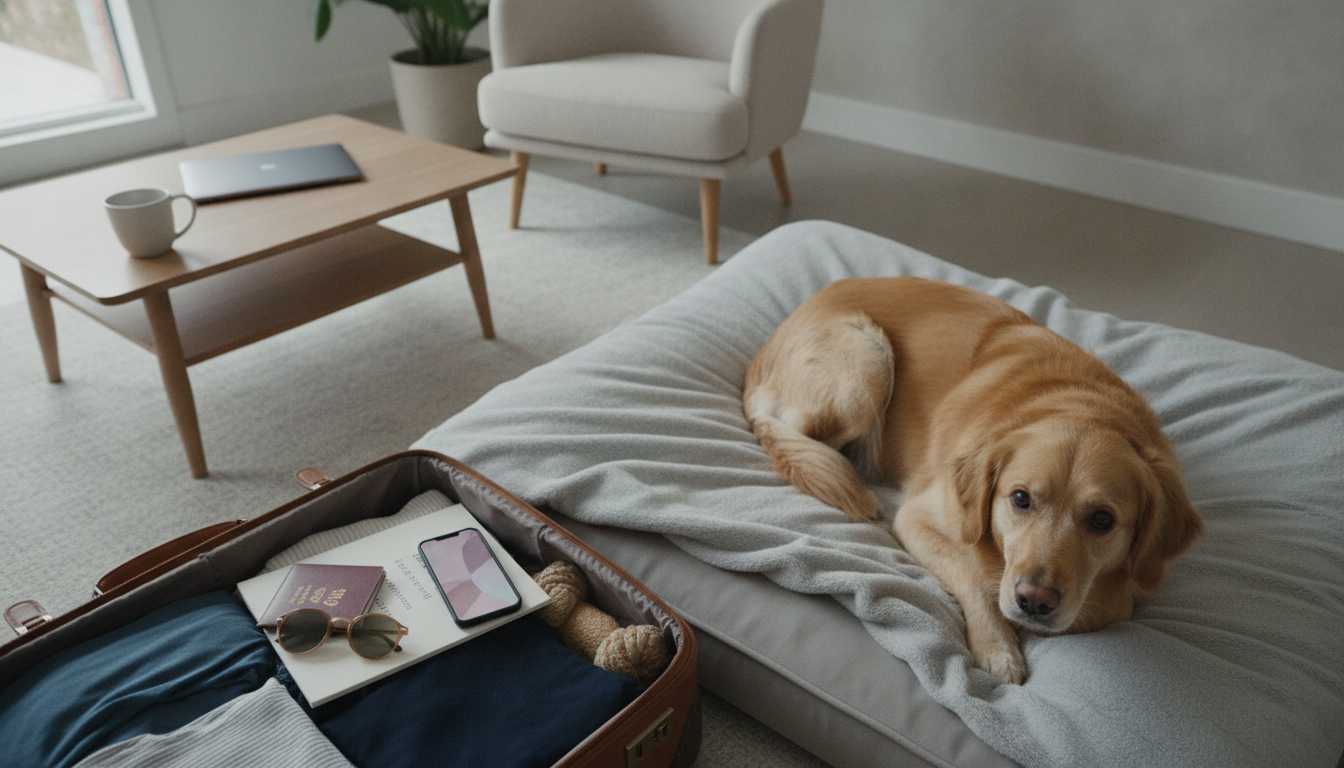
What not to do with dog separation anxiety
When a dog panics after you leave, the goal is to reduce fear—not “prove a point.” Certain common reactions can accidentally make separation anxiety worse, prolong training, and increase the risk of self-injury. Avoid these missteps first, then build a calm, consistent plan. For a deeper walkthrough and practical training steps, see this guide on what not to do with dog separation anxiety.
Don’t punish anxiety-driven behavior
Scolding, shock collars, or “rubbing their nose” in accidents won’t teach your dog to feel safe alone. It typically adds fear and can make your departures even more stressful, leading to louder vocalizing, more destruction, or more indoor accidents.
Don’t make arrivals and departures dramatic
Long goodbyes and over-the-top greetings can spike arousal and reinforce that your comings and goings are a huge event. Keep leaving and returning low-key so your dog learns that separation is routine and predictable.
Don’t force “cry it out” if your dog is panicking
True separation anxiety isn’t stubbornness—it’s distress. Leaving a dog to scream, drool, or scratch at doors for long periods can intensify the fear response and may cause injuries or escape attempts.
Don’t increase alone time too fast
Jumping from “a few minutes” to “an hour” can erase progress. Gradual, structured alone-time training is usually more successful than testing your dog with big leaps that trigger panic.
Don’t rely on crating if the crate increases distress
Some dogs feel safer in a crate, but others experience confinement panic. If crating leads to frantic behavior, bent bars, broken teeth, or nonstop screaming, it’s not the right tool for that dog at that moment.
Don’t ignore medical or lifestyle contributors
Pain, GI issues, cognitive decline, lack of enrichment, and inadequate exercise can worsen anxiety symptoms. Rule out health problems and ensure your dog’s daily needs are met while you work on behavior change.
FAQ
How can you tell the difference between separation anxiety and boredom?
Separation anxiety usually shows up as panic behaviors that start soon after you leave (howling, drooling, escape attempts), while boredom is more often intermittent and linked to lack of activity or enrichment. Videoing your dog when alone is one of the quickest ways to spot the pattern.















Leave a comment