Thailand Rainy Season Travel Tips: Pack, Plan, Go
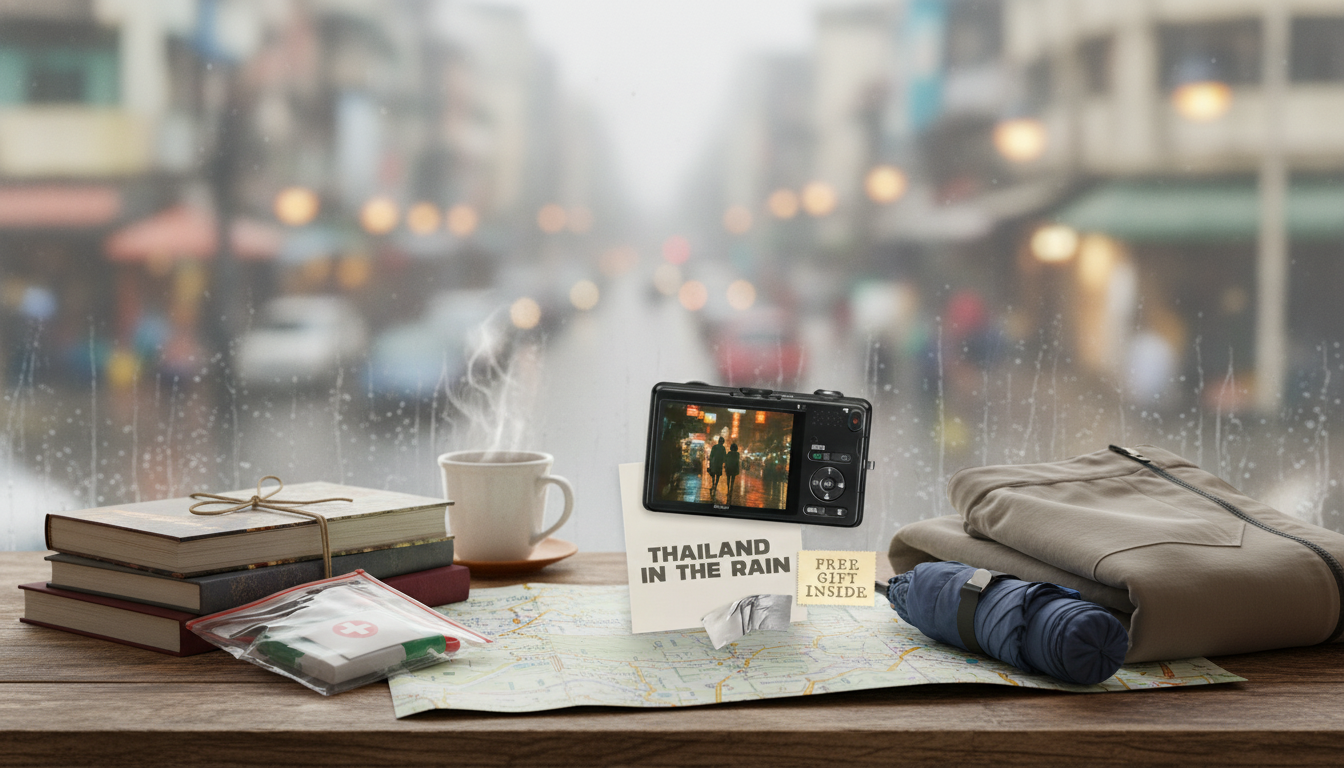
Thailand in the Rain: What to Know Before You Go During Rainy Season
Rainy season in Thailand can mean cooler air, fewer crowds, vivid green landscapes, and short bursts of heavy rain that reshape daily plans. With the right timing, packing, and transport strategy, trips stay smooth and enjoyable—especially when expectations match local weather patterns.
Rainy season basics: timing, patterns, and what “rain” usually looks like
Thailand’s rainy season typically runs roughly from May to October, but it doesn’t behave the same everywhere. Coastal geography matters: the Andaman coast and the Gulf coast can peak in different months, and even nearby provinces can feel noticeably different depending on wind and storm tracks.
What “rain” often looks like in daily life is a familiar rhythm: clearer mornings, building clouds after lunch, then a heavy downpour in the afternoon or evening. It’s common to have many usable hours outdoors—just not always at the exact times you’d choose if you planned minute-by-minute.
Humidity usually rises, the heat can feel heavier, and storms can bring quick temperature dips. Tropical showers can be intense, loud, and fast, so flexible blocks of time work better than rigid schedules.
For current regional updates, check the Thai Meteorological Department before committing to long transfers or marine trips.
Where rain affects plans most: islands, cities, and the north
Bangkok and central Thailand
In Bangkok, sudden storms can overwhelm drains and cause localized flooding. That doesn’t mean the city shuts down, but it can slow everything—especially during rush hour. Prioritize attractions connected to the BTS/MRT when possible and build buffer time into any plan that requires taxis.
Andaman side (Phuket, Krabi)
On the Andaman coast, monsoon conditions can mean rougher seas and reduced visibility. Boat tours, snorkeling trips, and speedboat routes may be delayed or canceled last-minute for safety. If an island day is a “must,” aim for a flexible schedule and ask operators about their weather cancellation policy before paying.
Gulf side (Koh Samui, Koh Phangan, Koh Tao)
The Gulf islands can have a later rainy peak than the Andaman side. Monthly patterns help, but short-term marine forecasts matter more when you’re deciding on ferries. If you’re prone to seasickness, keep motion-sickness meds handy and avoid tight connections on transfer days.
Northern Thailand (Chiang Mai, Chiang Rai)
Up north, rain can make evenings cooler and more comfortable for sleeping. Mountain viewpoints may cloud over, but forests look freshly washed, waterfalls can be dramatic, and the landscape turns bright green. If a viewpoint is a priority, plan multiple attempts rather than a single “one-shot” day.
National parks and jungle treks
Trails can become muddy, slippery, and leech-prone. Choose reputable guides, wear proper footwear, and don’t underestimate how much slower hikes feel in wet conditions—especially on steep terrain.
Daily planning that works: building a rain-proof itinerary
A rainy-season itinerary succeeds when it’s designed to bend without breaking. The key is to put your outdoor “can’t-miss” items where they have the best odds, then keep appealing indoor options ready when storms roll in.
Rainy-day swaps: outdoor plans to indoor alternatives
| If rain disrupts… | Try instead… | Why it works |
|---|---|---|
| Island boat tour | Cooking class or café-hopping | Avoids cancellations; still delivers local flavor |
| Beach day | Massage/spa or wellness afternoon | Comfortable during storms; easy to book |
| City walking route | Skytrain-connected malls/markets | Shelter plus food and shopping |
| Mountain viewpoint | Museum, craft village, or tea/coffee spot | Good visibility not required; calmer pace |
Getting around safely: transport tips during storms
What to pack for comfort: lightweight, quick-dry, and flood-friendly
For destination-specific health guidance, review CDC Travelers’ Health — Thailand.
Rainy-season packing checklist
| Item | Recommended type | Notes |
|---|---|---|
| Rain protection | Compact umbrella + light jacket | Umbrella for city; jacket for windier areas |
| Footwear | Sandals with grip + quick-dry shoes | Avoid smooth soles on wet surfaces |
| Waterproofing | Dry bag + zip pouches | Protect passport copies, power bank, and cash |
| Clothing | Quick-dry tops/shorts | Skip heavy cotton when possible |
| Bugs & health | Repellent + after-bite + ORS | Useful after storms and in rural areas |
Money, bookings, and timing: how rain changes value
For seasonal travel tips and official planning resources, the Tourism Authority of Thailand is a helpful reference point.
A practical companion: Thailand in the Rain travel guide
If you like having a clear, usable plan when forecasts change, Thailand in the Rain – A Smart Travel Guide to Thailand During Rainy Season | What to Know Before You Go is built around rainy-season realities: what to expect, how to structure flexible days, and what to pack so sudden downpours don’t derail your trip.
For a simple mindset boost on slower, stormier afternoons, Nature’s Healing Power Checklist: Boost Your Mental Health with the Benefits of Nature can be a handy companion when you’re balancing outdoor plans with restorative downtime.
FAQ
Does it rain all day in Thailand during rainy season?
Usually not. Many areas see clear or partly sunny mornings followed by short, heavy afternoon or evening downpours, though patterns vary by region and week. Planning flexible time blocks (instead of tight schedules) makes the weather much easier to manage.
Which Thai islands are best during rainy season?
It depends on the month and whether you’re on the Andaman or Gulf side, since rainy peaks can differ. Check monthly climate patterns, then confirm with short-term marine forecasts before committing to ferries or boat tours, because rough seas can lead to last-minute cancellations.
What should be packed for Thailand in rainy season?
Bring quick-dry clothing, grippy footwear, a compact umbrella and light breathable jacket, plus waterproof protection for your phone and a small dry bag. Insect repellent and hydration support (like oral rehydration salts) are also useful after storms and on humid days.















Leave a comment