Solo Travel for Beginners: Safety, Mindset, and Easy Days
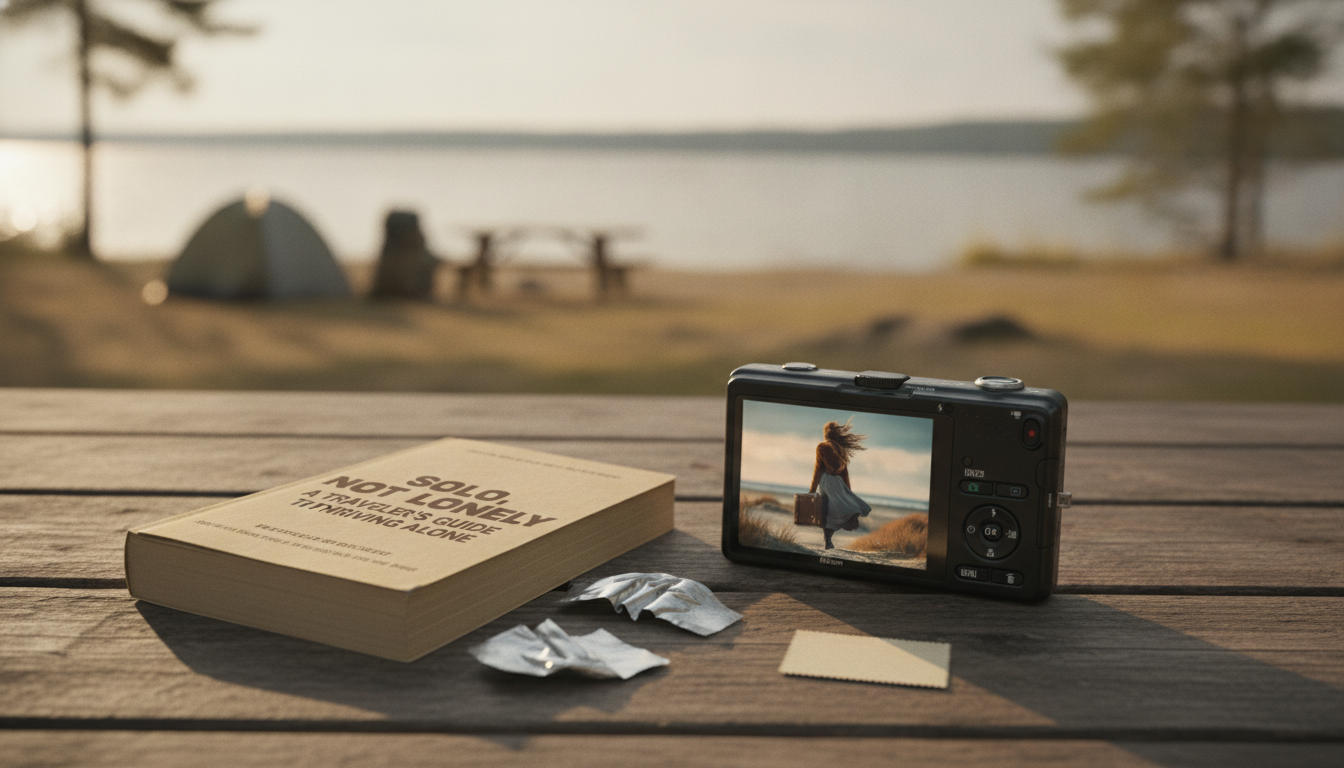
Solo, Not Lonely: A Traveler’s Guide to Thriving Alone
Solo travel can feel equal parts exciting and intimidating—especially the first time. The goal isn’t to be social 24/7 or fearless at every moment; it’s to feel capable, present, and free to choose your own pace. With a few mindset shifts, simple safety systems, and a light structure that reduces decision fatigue, solo days start to feel full rather than empty.
Who Solo Travel Works Best For (and What It’s Not)
Solo travel tends to click for people who are curious, okay making small decisions throughout the day, and genuinely enjoy flexible pacing. It’s also a great fit if you’re willing to learn from minor mistakes—like taking the wrong train once and recovering without spiraling.
What solo travel isn’t: constant socializing, zero risk, or an instant fix for burnout and loneliness back home. If a main fear is safety anxiety, that often means you need stronger planning systems (not more “courage”). If it’s loneliness, you need connection routines you can rely on. If it’s decision fatigue, you need structure—less “What should I do next?” and more “Here’s my simple plan.”
A realistic definition of “thriving alone” is feeling capable, collecting meaningful moments, and choosing when to connect rather than forcing it.
Mindset Shifts That Turn Alone Time Into Confidence
Start by replacing “alone = unsafe” with “alone = prepared.” Confidence comes from systems: check-ins, backups, boundaries, and a plan for what you’ll do if plans change.
Use one anchor plan per day
Instead of trying to do everything, set one anchor activity (a morning tour, a café you’re excited about, a museum ticket). Build flexible blocks around it. That one “fixed point” lowers overwhelm and keeps the day moving.
Normalize the awkward moments
Dining solo, asking for directions, or pivoting when something is closed aren’t failures—they’re standard solo-travel skills. The first time feels clunky; the third time feels like independence.
Try micro-goals
Pick one small win: one conversation, one new route, one photo walk, or one “sit and people-watch” break without checking your phone. Momentum builds fast when the goals are bite-sized.
Practice comfortable solitude before you go
Do a solo coffee, museum visit, or day trip at home. It trains your nervous system to treat “alone in public” as normal—so the destination feels less like a leap.
Pre-Trip Setup That Makes the Trip Feel Easier
For a first solo trip, simpler is stronger. Choose a style that matches your energy: a city break for easy logistics, a beach reset for low stimulation, a nature retreat for recovery, or a short multi-stop route only if you enjoy movement.
Build a “comfort stack”
Safety basics that reduce stress
Share a simple itinerary with a trusted contact, enable location sharing, keep digital copies of your passport and key documents, and save local emergency numbers. For official, up-to-date guidance, check U.S. Department of State travel resources and CDC Travelers’ Health before departure.
Money and connectivity
Plan for loneliness (before it shows up)
Best Beginner-Friendly Destinations for First-Time Solo Travelers
Beginner-Friendly Solo Destinations by Travel Style
| Destination | Best for | Why it’s beginner-friendly | Starter plan (first 48 hours) |
|---|---|---|---|
| Lisbon, Portugal | Food, viewpoints, day trips | Walkable neighborhoods, friendly hostels, easy tours to Sintra/Cascais | Day 1 walking tour + tram ride; Day 2 Sintra day trip with group tour |
| Tokyo, Japan | Solo dining, order, culture | Solo-friendly restaurants, safe transit, clear routines | Day 1 neighborhood stroll + temple; Day 2 guided food tour |
| Reykjavík, Iceland | Nature, tours, minimal planning | Group excursions make it social; compact city base | Day 1 city landmarks; Day 2 Golden Circle tour |
| Vancouver, Canada | City + nature balance | Easy transit, English-speaking, popular day hikes and tours | Day 1 seawall walk; Day 2 guided nature excursion |
| Edinburgh, Scotland | History, walkability, cozy vibes | Compact center, many day tours, comfortable solo pubs/cafés | Day 1 old town walk; Day 2 Highlands day tour |
Connection Tips That Don’t Feel Forced
Choose accommodations based on energy
Conversation starters that work anywhere
Create repeat encounters
Set boundaries early
Staying Safe Without Feeling Paranoid
A simple night routine
Accommodation and device checks
A Simple “Solo Day” Template to Reduce Decision Fatigue
Using the eBook as a Trip Companion
If you want guidance without overplanning, Solo, Not Lonely: A Traveler’s Guide to Thriving Alone (eBook) works well as a checklist and confidence tool: before departure (setup), on arrival (first 48 hours), and throughout the trip (connection routines and daily structure).
For travelers who recharge outdoors, Nature’s Healing Power Checklist pairs nicely with solo walks, park breaks, and “midday reset” routines—especially when you want calm without scrolling.
And if you like a hands-on way to unwind after travel days, the DIY 3D Owl Clock Wooden Model Kit is a screen-free, cozy activity for evenings when you’d rather stay in and still feel engaged.
FAQ
How do solo travelers avoid feeling lonely?
Use a simple connection routine: schedule 2–4 social touchpoints (like a walking tour or class), return to repeat-encounter places (the same café or coworking space), and balance social time with restorative alone time so you don’t burn out.
What are the safest ways to meet people while traveling alone?
Choose structured, public settings like group tours, classes, hostel common areas, coworking spaces, and local events. Keep boundaries: meet in public, limit personal details, and trust your instincts if anything feels off.
What’s a good first solo trip length and plan?
Three to seven days is ideal for a first trip, with central lodging and one anchor activity per day to reduce overwhelm. A simple first-48-hours plan (walking tour, easy neighborhood stroll, one guided day trip) helps you settle in quickly.













Leave a comment