Modern Mascara Trends: Lift, Wisps, Tints & Tips
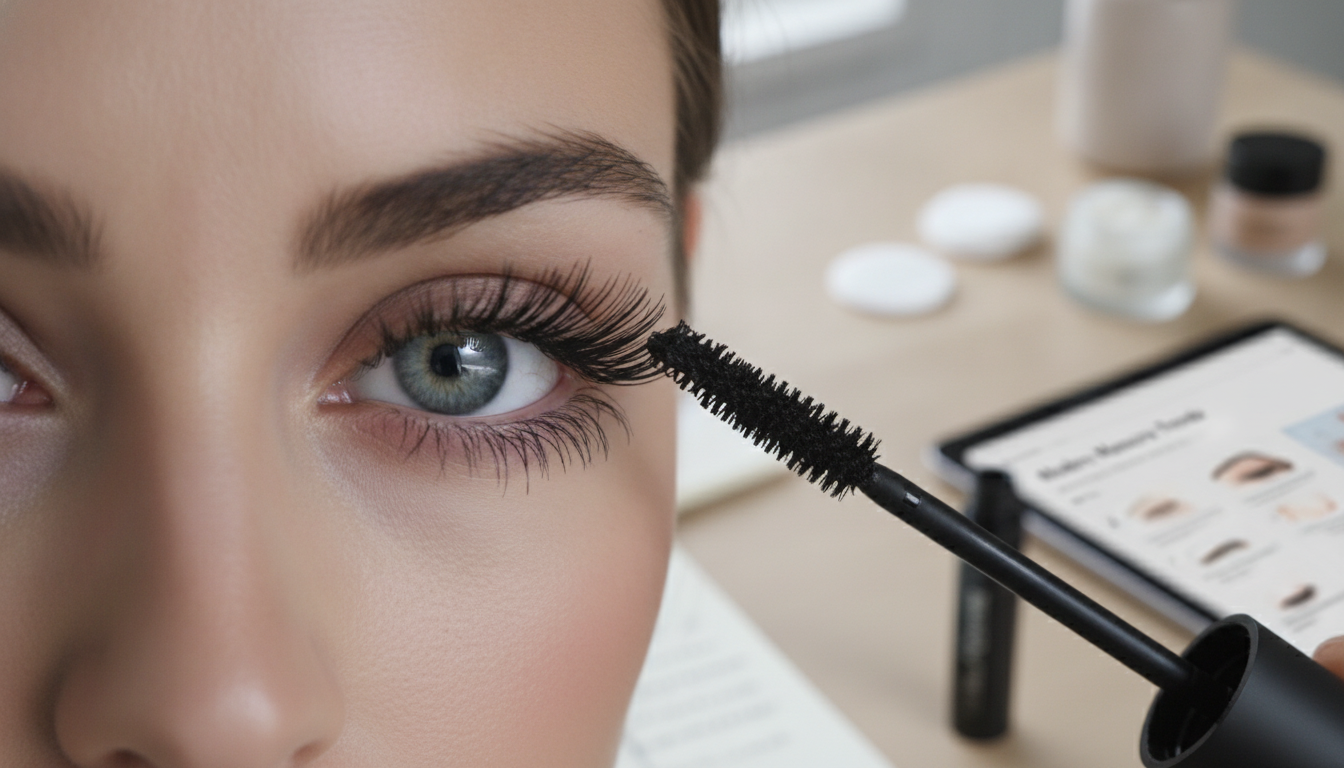
Modern Mascara Trends Checklist: What’s In, What Works, and How to Wear It
Mascara trends shift fast, but the best looks share a few constants: intentional texture, defined lash shapes, and formulas chosen for the day’s needs. Below is a practical, up-to-date checklist of the lash directions showing up everywhere—lifted, fanned, spiky, soft, and tinted—plus the small technique tweaks that make each one look modern (not messy) in real life.
The Trend Map: Lash Looks Showing Up Everywhere
- Lifted “doll” lashes: visible curl at the root, length through the center, clean separation.
- Fluttery soft volume: airy fullness that keeps individual lashes distinct rather than fully merged.
- Defined “wispy spikes”: intentionally grouped lash tips for texture (not clumps) and editorial shape.
- Fanned outer corners: emphasis on the outer third for a lifted, elongated eye shape.
- Lower-lash detail: subtle definition on bottom lashes for balance, especially with minimal eyeshadow.
- Tint and tone: brown mascara for softness; burgundy/plum/navy for a quiet pop; true black for graphic contrast.
Quick Checklist: Match the Mascara Trend to the Effect
| Trend look | Best for | What to ask your mascara to do | Application cue |
|---|---|---|---|
| Lifted doll lashes | Rounder, open-eye effect | Hold curl + length | Curl first; wiggle at roots; comb through to separate |
| Soft volume | Everyday polish | Buildable fullness without heaviness | Two thin coats; focus on mid-lash to tips |
| Wispy spikes | Textured, editorial finish | Grip + definition | Pinch tips lightly with clean tool after first coat; add micro-coat |
| Fanned outer corner | Lifted, elongated look | Directional length | Angle wand outward on outer third; avoid overcoating inner corner |
| Lower-lash definition | Balanced eye framing | Precision + smudge resistance | Use tip of wand; tap product; keep strokes minimal |
| Brown or tinted mascara | Softer contrast, daytime looks | Tone-correct + subtle definition | Pair with minimal liner; build slowly to avoid muddy tone |
What’s Driving These Mascara Trends Right Now
- Skin-forward makeup: lighter base makeup makes lash definition feel more noticeable and intentional.
- Camera readiness: separation and controlled texture read better on video than thick, uniform volume.
- Hybrid routines: long-wear, tubing, and conditioning formulas support all-day wear with less smudging.
- Customization: mixing techniques (curl + separate + targeted volume) replaces one-size-fits-all looks.
For everyday eye safety and product hygiene basics, it’s worth reviewing guidance from the American Academy of Dermatology Association and the American Optometric Association, especially if you wear contacts or deal with watery eyes.
Choose Your Finish: Clean, Soft, or Statement
- Clean definition: prioritize separation, minimal product load, and a comb-through step.
- Soft romance: use brown or soft black; keep volume concentrated at the base for plushness.
- Statement lashes: pick one emphasis (spikes, outer-corner lift, or bold lower lashes) and keep the rest simpler to avoid heaviness.
A simple rule that keeps things current: if the lash texture is the feature, keep eyeliner softer; if eyeliner is sharp, keep lashes more clean and lifted.
Technique Checklist: Small Moves That Change Everything
- Start with a clean lash line: leftover skincare and concealer can cause slipping and smudging.
- Curl with intent: pulse the curler at the base, then mid-lash for a natural arc (avoid crimping).
- Wipe excess from the wand: less product at the start prevents clumps and keeps spikes intentional.
- Wiggle only at the roots: wiggle to deposit, then pull straight through the lengths to separate.
- Use a lash comb: comb while mascara is still flexible for clean separation.
- Layer in thin coats: build slowly; stop once definition is achieved to keep lashes buoyant.
- Lock down smudge zones: a touch of translucent powder under the eye can reduce transfer.
Modern Formula Notes: Tubing, Waterproof, and Conditioning Claims
- Tubing mascaras: form flexible tubes around lashes; often remove with warm water and gentle pressure; great for reducing under-eye smudging.
- Waterproof: best for humidity, watery eyes, and long days; remove with an oil-based remover to avoid lash stress.
- Water-resistant: a middle ground for daily wear with easier removal than fully waterproof.
- Conditioning ingredients: can support softer feel; results vary, so prioritize wear performance and comfort.
If you’re ever unsure how an eye product is regulated or labeled, the U.S. Food & Drug Administration (FDA) cosmetics resource is a solid reference point.
Color and Texture Trends: Brown, Burgundy, and “Glossy” Lashes
- Brown mascara: pairs well with taupe, bronze, and neutral looks; ideal for softer contrast on fair-to-medium lashes.
- Burgundy/plum: enhances green or hazel eyes; reads subtle from a distance, noticeable up close.
- Navy: sharpens whites of the eyes while staying more wearable than bright colors.
- Glossy effect: achieved by controlled layering and strong separation—shine comes from smooth coating, not excess thickness.
Mistake-Proof Fixes for Trendy Lash Looks
A Printable Routine: Daily, Night Out, and Editorial
Digital Checklist Guide: Fast Reference for Shopping and Application
Shop the Checklists
- Modern Mascara Trends Checklist | What Mascara Styles Are Trending Right Now | Digital Beauty Guide
- Nature’s Healing Power Checklist: Boost Your Mental Health with the Benefits of Nature
FAQ
What mascara style looks most modern right now?
Lifted, separated lashes with controlled texture look the most current—think soft volume or lightly defined wispy spikes, often paired with subtle outer-corner fanning. Brown and other toned mascaras also feel especially modern for daytime contrast.
How can wispy, spiky lashes look intentional instead of clumpy?
Start with less product, comb through while the mascara is still flexible, and group only the tips lightly after a thin first coat. Add micro-coats only where you need extra definition, rather than repainting the whole lash line.
What’s better for smudging: tubing or waterproof mascara?
Tubing is typically best for everyday smudge resistance and easier removal, especially under the eyes. Waterproof is the stronger option for humidity, tears, and long wear, but it usually needs an oil-based remover to take off gently.













Leave a comment