Japan 14-Day Itinerary: Tokyo to Kyoto + Hiroshima
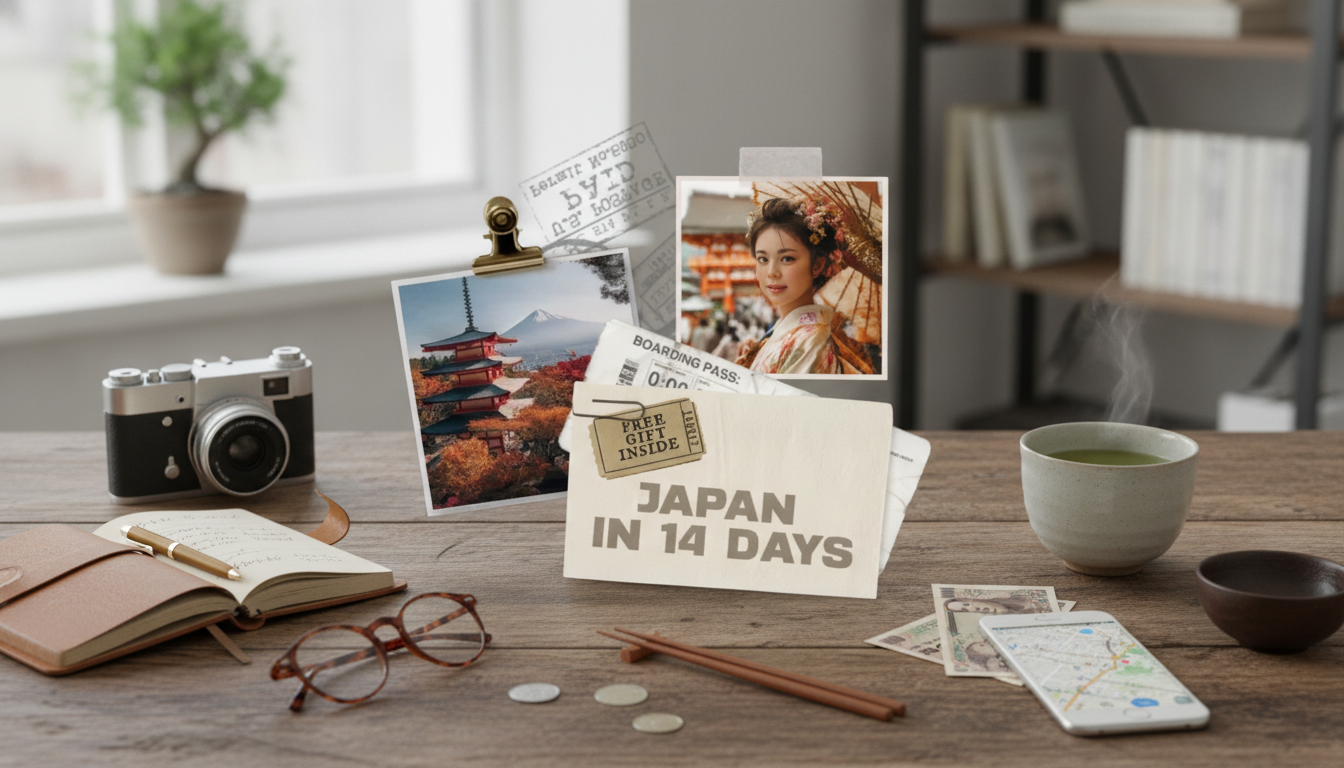
Japan in 14 Days: A Step-by-Step Adventure Plan With a Digital Travel Planner
A two-week Japan trip feels dramatically easier once the logistics are decided early: where you’ll base yourself, how you’ll move between cities, and what’s worth booking ahead. The plan below maps a clear 14-day route—Tokyo, Hakone/Fuji, Kyoto, Osaka (with Nara), and Hiroshima (with Miyajima)—with pacing tips that keep your days enjoyable instead of rushed. You’ll also see a simple system for storing tickets, confirmations, and daily outlines in one place so changes (weather, energy, crowds) stay manageable.
What This 14-Day Route Is Built For
- First-time travelers who want a complete circuit without constant hotel changes
- A balanced mix of modern city time, temples and gardens, food neighborhoods, and day trips
- Simple transit planning using major rail lines with limited backtracking
- Flexible days that can be swapped based on weather (especially for Fuji views)
- A checklist approach to reservations: trains, museums, and popular experiences
For official travel basics (seasons, etiquette, and regional guides), the Japan National Tourism Organization (JNTO) is a reliable reference. For high-speed rail specifics, JR Central’s Tokaido Shinkansen info is helpful.
Two-Week Itinerary at a Glance
- Days 1–4: Tokyo (neighborhoods, culture, and a day trip buffer)
- Day 5: Hakone or Fuji Five Lakes (onsen + scenery)
- Days 6–9: Kyoto (classic sights, easy day structure)
- Days 10–11: Osaka + Nara day trip (food, nightlife, deer park/temples)
- Days 12–13: Hiroshima + Miyajima (peace memorial + island shrine)
- Day 14: Return and departure logistics
14-Day Sample Day-by-Day Plan (Swap-Friendly)
| Day | Base | Main focus | Notes for pacing |
|---|---|---|---|
| 1 | Tokyo | Arrival + easy neighborhood walk | Keep it local; convenience-store essentials; early night |
| 2 | Tokyo | Asakusa + Ueno/Ameyoko | Temple morning; museums/park afternoon |
| 3 | Tokyo | Shibuya + Harajuku + Omotesando | Shopping streets + shrine + cafés |
| 4 | Tokyo | Day trip or extra Tokyo day | Nikko/Kamakura or teamLab/museums |
| 5 | Hakone/Fuji area | Onsen + views + ropeway/lake | Choose based on weather forecast |
| 6 | Kyoto | Gion + Kiyomizu area | Evening stroll for atmosphere |
| 7 | Kyoto | Arashiyama + western Kyoto | Start early; reserve river/rail options if desired |
| 8 | Kyoto | Fushimi Inari + sake district | Go early or late to avoid crowds |
| 9 | Kyoto | Philosopher’s Path + gardens | Lighter day; add tea experience |
| 10 | Osaka | Dotonbori + Namba | Food-focused; short walking loops |
| 11 | Osaka | Nara half/full day | Deer park + Todai-ji; return for Osaka night |
| 12 | Hiroshima | Peace Memorial Park + museum | Allow time; emotionally heavy day |
| 13 | Hiroshima | Miyajima | Tide timing for torii views; last ferry times |
| 14 | Tokyo/Osaka | Return + departure | Leave buffer for airport transfer and shopping |
Step-by-Step Planning Timeline (What to Do When)
- 6–10 weeks out: Decide route direction (Tokyo→Kyoto→Hiroshima or reverse), lock flight dates, and confirm everyone’s must-sees.
- 4–8 weeks out: Book key stays (Tokyo, Kyoto, Osaka or Hiroshima) near major stations for simpler luggage days.
- 2–6 weeks out: Reserve high-demand experiences and timed-entry attractions; shortlist restaurants that take reservations.
- 1–2 weeks out: Finalize intercity train times for transfer days; download offline maps and set up an eSIM or pocket Wi‑Fi.
- 48 hours out: Check weather for the Fuji/Hakone day and swap with a city day if needed.
- Daily rhythm: Plan one morning anchor (major sight), one neighborhood block, and one flexible evening option.
Day-by-Day Structure That Keeps Each Day Manageable
- Morning: Start with the most popular site to avoid crowds; aim for one major highlight before 11 a.m.
- Midday: Cluster nearby stops to reduce transit; choose one market/food street for lunch.
- Afternoon: Add a museum, garden, or café break to prevent “temple fatigue,” especially in Kyoto.
- Evening: Pick one nightlife/food area (Shinjuku, Shibuya, Gion, Dotonbori) rather than zig-zagging across the city.
- Rain plan: Assign indoor alternatives to each base (museums, aquariums, depachika food halls, workshops).
- Energy-saving rule: Every 2–3 days, schedule a lighter half-day or a late start.
Getting Around: Trains, Local Transit, and Luggage Strategy
- Intercity: Use the Shinkansen and limited express trains for long jumps; choose direct routes where possible.
- Local transit: Load an IC card (Suica/PASMO/ICOCA) for subways, buses, and convenience purchases where accepted.
- Navigation: Pin stations’ correct exits in your maps—many “delays” are actually wrong-exit detours.
- Luggage: Travel with one main bag + daypack; use coin lockers or luggage forwarding for smoother transfer days.
- Airport buffers: Plan extra time for large stations, platform changes, and peak commuting windows.
For additional city-by-city transport notes and sample day structures, Japan-Guide.com is a useful cross-check when deciding between similar day trips.
What to Pre-Book (And What Can Stay Flexible)
Keeping It Organized With a Digital Travel Planner
Recommended Digital Planner: Complete Two-Week Step-by-Step Guide
- Japan in 14 Days: Your Step-by-Step Adventure Guide (Digital Travel Planner) — designed around a full two-week circuit, from arrival to departure, with an easy structure for swap-friendly days.
- Nature’s Healing Power Checklist — a simple add-on for building restorative breaks into busy travel days (especially helpful around onsen time, gardens, and scenic walks).
FAQ
Is 14 days enough time for Tokyo, Kyoto, Osaka, and Hiroshima?
Yes, if you minimize backtracking and keep 2–4 nights per base city. A built-in flexible day helps you adapt to weather or crowd levels without cutting major highlights.
What’s the best way to fit a Fuji or Hakone day into a two-week plan?
Place it between Tokyo and Kyoto/Osaka so it’s a clean transit break. Keep the day movable and swap it with a city day when the forecast improves for better visibility.
Do plans need to be booked far in advance?
Hotels and a few timed-entry attractions often benefit from early booking, while many neighborhoods, temples, and food streets can stay flexible. Keeping confirmations organized makes last-minute swaps much easier.
















Leave a comment