Daily Pet Walking Routine for Dogs & Cats (Easy Plan)
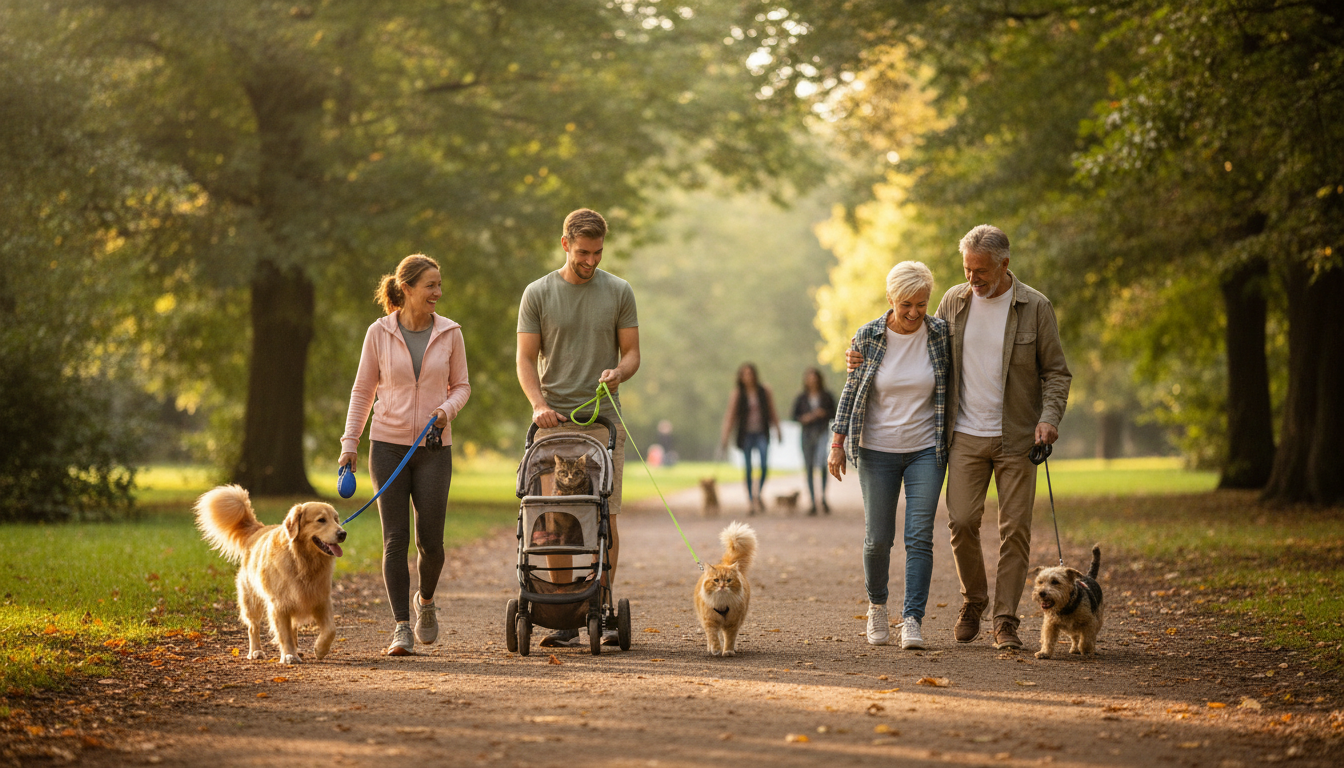
Happy Paws Daily Walks: A Simple Daily Walking Routine for Dogs and Cats
Daily walks can support healthy weight, calmer behavior, and better bonding—when the routine is realistic and consistent. The goal isn’t perfect miles every day; it’s a repeatable rhythm that fits busy schedules, works for both dogs and cats, and stays safe across weather, surfaces, and neighborhood distractions. For more guidance, see [PDF] How To Start A Pet Sitting Business.
Why a daily walking routine helps (even short walks)
A dependable walking habit creates small, compounding wins. Even a 5–15 minute loop can make the day smoother for you and your pet. For further reading, see Starting Up A Dog Walking Business.
- Physical benefits: supports joint mobility, cardiovascular fitness, weight management, and more regular digestion.
- Mental benefits: sniffing and exploring can reduce boredom and frustration; predictable outings often lower day-to-day stress.
- Behavior benefits: consistent activity may reduce indoor restlessness, barking/meowing for attention, and destructive habits.
- Bonding benefits: daily one-on-one time tends to improve responsiveness and trust in real-world environments.
- Consistency beats intensity: shorter, frequent walks usually outperform sporadic “weekend marathon” outings.
For general guidance on keeping pets active, the American Veterinary Medical Association (AVMA) highlights how exercise supports both physical and behavioral health.
Set the foundation: goals, time windows, and a “minimum viable walk”
Routines stick when they’re built around real life. Start simple, then scale.
- Pick one primary goal: energy release, training, weight support, enrichment, or confidence-building.
- Choose two reliable time windows: most households do best with a morning and evening slot, plus one backup option.
- Define a minimum viable walk: 5–10 minutes of safe movement plus sniff time keeps the streak intact on hectic days.
- Run a baseline week: keep duration modest, then adjust pace and time based on age, energy, and health.
- Track the basics: days walked, duration, mood before/after, and any triggers (dogs, bikes, loud trucks).
Weekly walking routine template (adjust times and duration to fit)
| Day | Morning | Midday (optional) | Evening | Notes to track |
|---|---|---|---|---|
| Mon | 10–20 min easy pace + sniffing | 5–10 min potty/stretch | 15–30 min steady walk | Energy level, pulling, reactivity triggers |
| Tue | 10–20 min + 2 minutes cues | Indoor play/snuffle | 15–30 min route variation | Focus, responsiveness, recovery time |
| Wed | 5–10 min minimum viable walk | Short break | 20–40 min enrichment walk | Weather, paw check, hydration |
| Thu | 10–20 min | Optional | 15–30 min | Stool quality/digestion, stress signs |
| Fri | 10–20 min + calm starts | Short break | 20–40 min | Loose-leash progress, distractions |
| Sat | 20–40 min adventure route | Rest | 10–20 min decompression | New sights/sounds, confidence |
| Sun | 10–20 min | Rest/indoor enrichment | 15–30 min | Overall weekly trend + next-week tweak |
Dog and cat routines: what changes (and what stays the same)
The shared principle is controlled exposure: a safe route, manageable duration, and a calm finish. The details vary by species and personality.
- Dogs: prioritize structured leash skills, decompression sniffing, and age-appropriate duration.
- Cats: build comfort slowly—harness acclimation first, then short doorway/yard sessions, then quiet routes.
- Route planning: low-traffic, low-dog-density areas help cats and sensitive dogs succeed.
- Pace: many dogs benefit from a brief brisk segment; cats typically do best with slow exploring and short bursts.
- End on a win: stop before overstimulation so the next outing starts easier.
For step-by-step cat leash basics, the ASPCA offers practical guidance on helping cats adjust to new gear and experiences.
Walk structure that’s easy to repeat
When every walk follows a simple pattern, pets learn what’s coming next—and that predictability often reduces pulling, freezing, or frantic scanning.
- Pre-walk (1–2 minutes): quick gear check, calm sit/stand, treat-ready focus cue, and a brief sniff at the door.
- Main segment: alternate steady walking with planned “sniff breaks” to reinforce calm movement and reduce stress.
- Enrichment add-ons: scatter feeding in grass (where safe), “find-it” games, or tiny training bursts (touch, heel, name response).
- Cool-down: slow the final 2–3 minutes, offer water, and transition indoors quietly.
- After-walk routine: quick paw/coat check and note anything unusual (limp, heat stress, anxiety signs).
Safety and comfort: weather, surfaces, gear, and neighborhood risks
Common routine blockers and quick fixes
Using the Happy Paws Daily Walks eBook as a routine builder
If you prefer a guided system, a structured plan can remove daily decision fatigue and keep progress realistic. The Happy Paws Daily Walks digital guide is designed to help dog and cat owners set walk durations, weekly progressions, and simple consistency checkpoints—especially helpful in multi-pet homes where “must-do basics” need to be clear.
For an extra boost in keeping the habit enjoyable for humans too, the Nature’s Healing Power Checklist pairs nicely with walking time by encouraging small, repeatable ways to notice and benefit from being outside.
FAQ
How long should a daily walk be for an adult dog?
Many adult dogs do well with about 20–60 minutes total per day, often split into two or three shorter walks. Breed, age, fitness, and health conditions can shift that range significantly, so ask your veterinarian if your dog has any medical limitations.
Can indoor cats safely go on daily walks?
Yes, but only with gradual harness training, starting indoors and moving to quiet outdoor areas in brief sessions. Watch for stress signals (freezing, crouching, wide eyes) and never walk a cat on a collar alone—use a well-fitted harness to reduce escape risk.
What if a daily walk isn’t possible every day?
Use a minimum viable walk on busy days (5–10 minutes with safe movement and sniff time), then add indoor enrichment like food puzzles or short training. A routine that works most days is safer and more sustainable than pushing for perfection.
















Leave a comment