Chin Whiteheads: Routine, Treatments, and Prevention
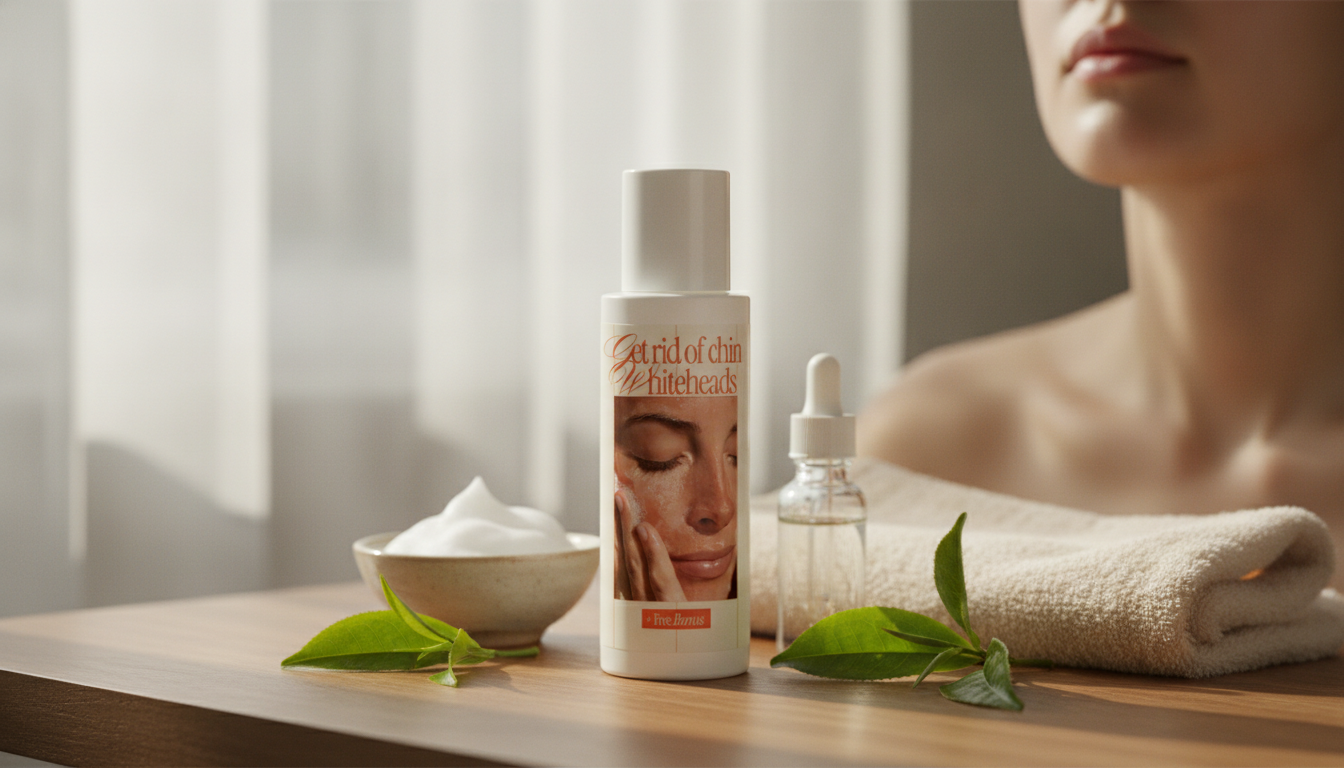
Chin Whiteheads: A Clear Skin Routine, Targeted Treatments, and Prevention
Chin whiteheads often flare when pores get blocked by oil, sweat, makeup, friction, or hormonal shifts. A dependable routine focuses on gentle cleansing, consistent exfoliation with the right actives, and habits that reduce re-clogging—without over-stripping the skin. If you’ve ever cleared your chin only to have tiny bumps return weeks later, the solution is usually less about doing “more,” and more about doing the right steps consistently.
Why chin whiteheads keep coming back
Whiteheads on the chin are typically closed comedones—clogs that sit under a thin layer of skin. They’re stubborn because the chin is a high-risk zone for pore blockage and irritation.
- Clogged pores form when dead skin cells and sebum build up under the surface, creating closed comedones (whiteheads).
- The chin area is prone to occlusion and friction from masks, chin straps, resting the face on hands, and phone contact.
- Hormonal fluctuations can increase oil production, which makes closed comedones more likely along the jaw and chin.
- Heavy or comedogenic products (thick moisturizers, certain sunscreens, long-wear makeup) can worsen congestion if not removed thoroughly.
For a medical overview of acne triggers and treatment categories, see the American Academy of Dermatology Association and the Mayo Clinic.
Spot the difference: whiteheads vs. other bumps
Not every “white bump” is a whitehead, and mistaking the type can lead to the wrong product choice (or over-treatment).
- Whiteheads (closed comedones): small, flesh-colored or white bumps with no visible opening; may feel like sand under the skin.
- Blackheads (open comedones): darker plugs with an open surface; often respond well to salicylic acid.
- Inflamed pimples: red, tender, or pus-filled lesions; may need anti-inflammatory or antibacterial support.
- Milia or fungal folliculitis: can mimic whiteheads; persistent, uniform bumps or itching may need professional evaluation.
If bumps are unusually itchy, appear in tight clusters, or don’t behave like acne despite a careful routine, it’s worth pausing actives and getting a diagnosis before escalating treatment.
Daily clear-skin routine for the chin (simple and consistent)
Consistency beats intensity. The goal is to keep pores clear while protecting the skin barrier so it can tolerate treatments long enough to work.
Morning
- Gentle cleanser (avoid aggressive scrubbing).
- Non-comedogenic moisturizer (lightweight if congestion is frequent).
- Broad-spectrum sunscreen SPF 30+ every day.
Evening
- Cleanse (double cleanse if wearing makeup/sunscreen).
- Apply one treatment active (start low and slow).
- Moisturize to support the skin barrier.
Introduce one active at a time and increase slowly. Irritation, dryness, and peeling can trigger more breakouts by increasing inflammation and prompting rebound oiliness. If your chin is constantly congested, keep products lighter in that zone and avoid heavy occlusives directly over clusters unless dryness is severe and you’re monitoring closely.
Targeted treatments that help unclog chin pores
Chin whiteheads respond best to ingredients that normalize shedding inside the pore and reduce the mix of oil + dead skin cells that creates the plug.
Common actives for chin whiteheads: how to use them
| Active | Best for | How often to start | Watch-outs |
|---|---|---|---|
| Salicylic acid (0.5–2%) | Clogged pores, rough texture | 2–3 nights/week, then increase as tolerated | Dryness/peeling; avoid stacking with multiple strong exfoliants |
| Adapalene (0.1%) | Preventing new whiteheads | 2–3 nights/week for 2–4 weeks, then nightly if tolerated | Irritation/sun sensitivity; avoid during pregnancy unless clinician-approved |
| Benzoyl peroxide (2.5–5%) | Red, inflamed breakouts | Spot treat or short-contact 3–5x/week | Can bleach fabric; may irritate if combined with strong retinoids the same night |
| Azelaic acid (10–15%) | Congestion + discoloration support | Every other day, then daily if comfortable | Tingling is possible; patch test if reactive skin |
What not to do (it makes chin whiteheads worse)
Prevention habits that reduce chin congestion
When it’s time to see a dermatologist
A focused option for a chin-clear routine
For a structured, step-by-step approach that emphasizes targeted treatments and prevention habits, explore: Get Rid of Chin Whiteheads – Clear Skin Routine, Targeted Treatments & Prevention.
To support consistency, pair any routine guide with a gentle cleanser, a barrier-supporting moisturizer, and daily sunscreen. If stress or sleep disruption is part of your flare cycle, a simple reset can help you stick with your skincare plan: Nature’s Healing Power Checklist: Boost Your Mental Health with the Benefits of Nature. For a calming, hands-on activity that keeps fingers away from the chin during downtime, consider DIY 3D Owl Clock Wooden Model Kit – Creative Puzzle Assembly Toy for Adults & Kids.
FAQ
How long does it take to clear chin whiteheads?
Expect about 6–12 weeks of consistent care, since it takes time for clogged pores to cycle out and for new clogs to stop forming. Texture can improve sooner, but full clearance is usually gradual—especially if hormones or friction are ongoing triggers.
Should salicylic acid or a retinoid be used for chin whiteheads?
Either can help: salicylic acid clears inside the pore, while a retinoid helps prevent new clogs by normalizing turnover. Start with one active for a few weeks, then add the other on alternating nights if your skin is comfortable, and use sunscreen daily to reduce sensitivity.
Why do chin whiteheads flare around the menstrual cycle?
Hormonal shifts can increase oil production and make it easier for pores to plug along the chin and jaw. Staying consistent with a BHA or retinoid, minimizing occlusion and friction, and adjusting gently (not aggressively) can reduce monthly flare intensity; recurring hormonal acne may warrant medical options.
















Leave a comment