Biofeedback for Mental Clarity: A 10-Minute Practice
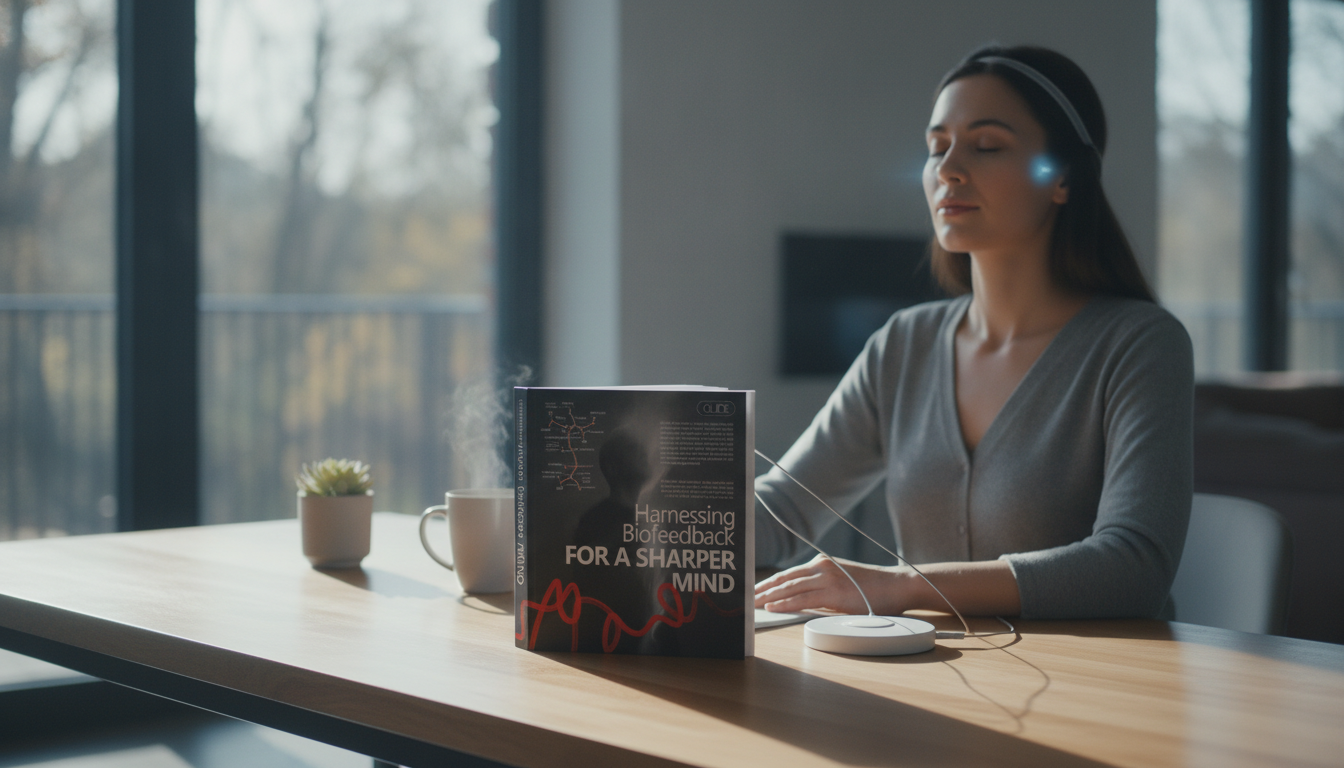
Harnessing Biofeedback for a Sharper Mind: Practical Steps Toward Clearer Thinking
Biofeedback turns subtle body signals—like heart rhythm, breathing pace, and muscle tension—into useful data that can be trained. When those signals become easier to notice and regulate, focus often feels steadier, stress reactions feel less “automatic,” and decision-making becomes less foggy. The goal isn’t perfect calm; it’s faster recovery and more consistent mental clarity.
What biofeedback is (and what it isn’t)
Biofeedback is a skill-building approach that uses sensors (or structured self-tracking) to show what’s happening in your body in real time—often heart rate variability (HRV), breathing rate, skin temperature, skin conductance (sweat response), or muscle activity. Instead of guessing whether something is helping, you can see immediate cause-and-effect: a slower exhale, a softer jaw, or a steadier breathing rhythm often changes the signal within seconds.
It isn’t mind reading, and it doesn’t “force” relaxation. Biofeedback works because practice makes patterns easier to notice and easier to change. Over time, that practice can help the nervous system shift from threat reactivity (tense, rushed, tunnel-vision) to flexible regulation (calm-alert, adaptable, clear).
Why clearer thinking often follows better nervous-system regulation
When stress physiology ramps up, attention can narrow, working memory can feel smaller, and decisions can skew toward quick relief rather than good judgment. This doesn’t mean stress is “bad”; it means the body is prioritizing survival signals over complex thinking.
Breathing pace and heart rhythm patterns can influence how steady you feel under pressure. Muscle tension—especially jaw, neck, shoulders, and brow—can quietly drain mental bandwidth, creating background “noise” that competes with focus. Biofeedback speeds learning by offering a faster loop than intuition alone: test a change, observe the signal, repeat what works.
Common biofeedback methods and what each trains
Different methods train different levers of regulation. Some are easy to practice at home, while others typically involve professional equipment.
HRV biofeedback
HRV biofeedback focuses on the beat-to-beat timing patterns of your heart. Many systems pair HRV with paced breathing and attention cues to build steadier autonomic balance and faster recovery after stress.
Respiratory biofeedback
Respiratory biofeedback tracks breathing rate and (depending on the device) proxies related to breathing efficiency. It can help reduce over-breathing habits and support a calmer baseline during demanding tasks.
EMG (muscle tension) biofeedback
EMG measures muscle activation, often in the forehead, jaw, or shoulders. It’s especially useful when tension headaches, clenching, or posture fatigue show up as “brain fog.”
Skin temperature or skin conductance
Skin temperature reflects peripheral warmth (often lower when stressed), while skin conductance tracks sweat gland activity tied to arousal. Both can help you notice early activation and practice downshifting.
Neurofeedback (EEG)
EEG neurofeedback trains brainwave-related patterns using specialized systems. It’s typically more expensive and protocol-specific, often delivered in clinics or by trained providers.
| Method | What it measures | What it may help with | Typical starting practice |
|---|---|---|---|
| HRV | Beat-to-beat timing patterns | Stress resilience, steadier focus, faster recovery | 5 minutes of paced breathing (4–6 breaths/min) |
| Breathing | Breaths/min, CO₂ tolerance proxies (device dependent) | Calmer baseline, fewer spirals, clearer thinking under pressure | 3 minutes nasal breathing with long exhales |
| EMG | Muscle activation/tension | Head/neck tension, concentration fatigue, jaw clenching | 2 minutes “tense-release” cycles + posture check |
| Skin conductance/temperature | Sweat gland activity / peripheral warmth | Arousal awareness, anxiety regulation | 90-second downshift: slow breathing + soft gaze |
| EEG (neurofeedback) | Brainwave activity | Attention training (protocol-specific) | Clinician-guided sessions over several weeks |
A simple 10-minute routine for mindset clarity (no special gear required)
This routine is short on purpose. Consistency beats intensity, especially when the goal is clearer thinking during everyday work, studying, and conversations.
- Minute 0–1: Quick check-in—rate mental fog (0–10), tension (0–10), and agitation (0–10).
- Minute 1–5: Paced breathing—inhale through the nose, exhale slightly longer; keep shoulders relaxed.
- Minute 5–7: Scan and soften—release jaw, tongue, brow, and the space between the shoulders.
- Minute 7–9: Attention anchoring—pick one stable cue (breath at nostrils, ambient sound, or visual point).
- Minute 9–10: Retest—re-rate fog/tension/agitation; note what moved the numbers.
If you want an extra “biofeedback-like” cue without a device, use warmth and softness: warmer hands, a looser face, and a quieter shoulder lift are often reliable signs you’re downshifting.
Using devices wisely: making the feedback work for you
For an evidence-informed overview of what biofeedback is used for, see the Cleveland Clinic and the American Psychological Association. For broader relaxation skill context, the NCCIH offers practical guidance.
When clarity doesn’t improve: common blockers and fixes
A guided resource for building the habit
- Harnessing Biofeedback for a Sharper Mind: How Biofeedback Improves Mindset Clarity — a focused guide for turning awareness into a repeatable routine.
- Nature’s Healing Power Checklist — an easy way to pair regulation practice with restorative outdoor breaks and attention resets.
FAQ
How long does it take to notice benefits from biofeedback?
Many people notice small shifts within a few sessions, such as calmer breathing and less muscle tension. More reliable clarity often shows up after 2–4 weeks of consistent practice, especially when sessions are short and frequent.
Can biofeedback help with anxiety and overthinking?
It can help by improving awareness of arousal cues and training downshifting skills like breathing, muscle release, and attention anchoring. It’s a skills practice, not a replacement for therapy when symptoms are severe.
Is HRV biofeedback safe for everyone?
It’s generally safe for most people, but slow-breathing practices can feel uncomfortable for those with certain cardiac or respiratory conditions or panic symptoms. If dizziness or distress occurs, return to normal breathing and consult a clinician.














Leave a comment