Electric Citrus Juicer: Stainless Filter, One Cone Guide
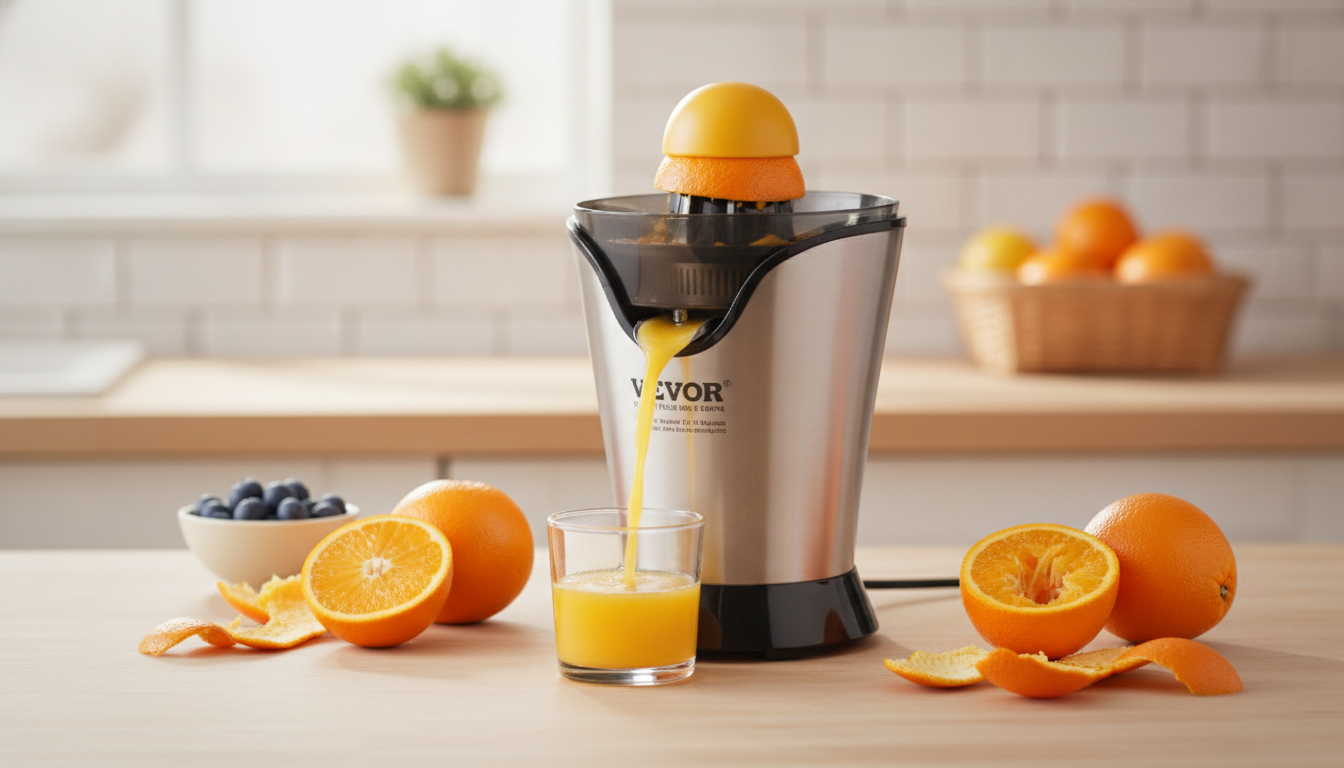
Electric Citrus Juicer with Stainless Steel Filter and One Juicing Cone
Fresh citrus juice doesn’t have to mean sticky hands, seeds in the glass, and a cutting board full of pulp. An electric citrus juicer built around a sturdy stainless steel filter and a single, easy-to-use cone is designed for quick, repeatable results—whether you’re squeezing oranges for breakfast, lemons for a pan sauce, or limes for cocktails. Below is a practical guide to how this style of juicer performs across citrus types, what the stainless steel filter changes in day-to-day use, and which details matter most for yield, pulp control, cleanup, storage, and reliability.
What this juicer is designed to do
- Quickly press and extract juice from common citrus fruits with minimal hand strain.
- Separate seeds and larger pulp through a stainless steel filter for a smoother pour.
- Use a single juicing cone to keep operation simple and reduce parts to manage.
- Support everyday needs like breakfast juice, cocktail prep, baking, and marinades.
Key components and why they matter
- Electric motor: Provides consistent rotation and pressing power so extraction is less dependent on grip strength.
- Stainless steel filter: Helps catch seeds and fibrous bits while resisting staining and lingering odors better than many plastics.
- One juicing cone: Streamlined setup with fewer fitment issues and fewer parts to misplace.
- Juice collection and pour path: A stable base and a clean spout edge can reduce drips on the counter.
- Power and cord placement: Useful for positioning on the counter near outlets without crossing hot surfaces.
How to use it for better yield and less mess
- Prep fruit: Roll citrus firmly on the countertop before cutting to loosen internal segments and encourage better flow.
- Cut correctly: Slice across the equator (not pole-to-pole) to expose more segments on many oranges, lemons, and limes.
- Press steadily: Apply firm, even pressure and let the motor do the work; aggressive rocking can push bitter pith oils into the juice.
- Pause and re-seat: For thicker rinds (especially grapefruit), lift and re-center the half once so more flesh contacts the cone.
- Strain preference: For extra-smooth juice, rely on the built-in filter and optionally finish with a fine mesh strainer for micro-pulp.
Stainless steel filter: daily-life advantages
- Taste and odor neutrality: Stainless steel is less likely to hold onto citrus oils and aromas after washing, which helps keep lemon juice from “perfuming” your next orange squeeze.
- Durability: Holds its shape through frequent cleaning and resists cracking compared with some thin plastic strainers.
- Hygiene: Easier to scrub around seed-catch areas and less prone to staining from pink grapefruit or blood orange.
- Finish and maintenance: Rinse soon after juicing to prevent dried pulp; use a soft brush to clear perforations without scratching.
One-cone setup: who it suits best (and trade-offs)
- Best for: Households that mostly juice mid-size citrus (oranges and lemons) and want a no-fuss routine.
- Less swapping: Avoids changing cones between small limes and large oranges and reduces storage needs.
- Potential compromise: Very small limes may require careful centering; very large grapefruit may benefit from a second pass for maximum yield.
- Practical tip: When switching fruit sizes, halve smaller fruit cleanly and press slowly so it maintains steady contact with the cone.
Fruit-by-fruit prep guide and expected experience
Different citrus varieties behave differently under pressure. The goal is to get high yield without grinding too deeply into the rind, which can introduce bitterness. For nutrition details on citrus and juices, the USDA’s database is a helpful reference: USDA FoodData Central.
Citrus prep and pressing tips
| Citrus type | Best cut | Pressing tip | Pulp/seed notes |
|---|---|---|---|
| Orange | Equator cut | Steady, even pressure | Filter catches most seeds; moderate pulp |
| Lemon | Equator cut | Short press, re-seat once | Rinse filter promptly; oils can cling |
| Lime | Equator cut | Center carefully; slower press | More seeds relative to size; filter helps |
| Grapefruit | Equator cut | Two presses per half; avoid twisting | Thicker pulp; bitterness rises with over-press |
Cleaning and maintenance that keeps performance consistent
For general produce handling and kitchen safety, the FDA’s guidance is a solid baseline: FDA: Food Safety for Fresh Fruits and Vegetables.
Practical buying notes: fit, storage, and countertop routine
If you enjoy juice regularly, it can also help to be mindful of portion size and added sugars in packaged options; the American Heart Association provides useful context: American Heart Association.
Common issues and quick fixes
Product snapshot and where to get it
For a streamlined electric setup with fewer parts to manage, the Electric Citrus Juicer with Stainless Steel Filter and One Juicing Cone is priced at $44.82 and is currently in stock. It’s a practical fit for quick daily juice, lemon/lime prep for cooking, and smoother pours with fewer seeds. Keeping a small cleaning brush and a wide-mouth pitcher nearby makes the routine even faster.
More in-stock picks
- Vinyl Record Player C260, 3-Speed Bluetooth Vintage Turntable with Speakers ($47.51)
- Nature’s Healing Power Checklist: Boost Your Mental Health with the Benefits of Nature ($2.99)
FAQ
Can the stainless steel filter go in the dishwasher?
Dishwasher safety depends on the specific parts and manufacturer guidance, so it’s best to confirm in the product instructions. For longer-lasting perforations and finish, hand-washing with warm, soapy water and a soft brush is a reliable approach.
Will one juicing cone work for both limes and grapefruit?
Yes, a one-cone design can handle a range of citrus, but small limes usually need careful centering and a slower press. For large grapefruit, two shorter presses (re-seating once) often improves yield without extra splatter.
How can bitterness be reduced when using an electric citrus juicer?
Avoid over-pressing and stop once the juice flow slows, since extended pressing can extract bitter compounds from pith and rind. Rolling the fruit before cutting and using room-temperature citrus can boost yield without needing harsher pressure.














Leave a comment