Sit-to-Stand Toddler Push Car with Music & Storage
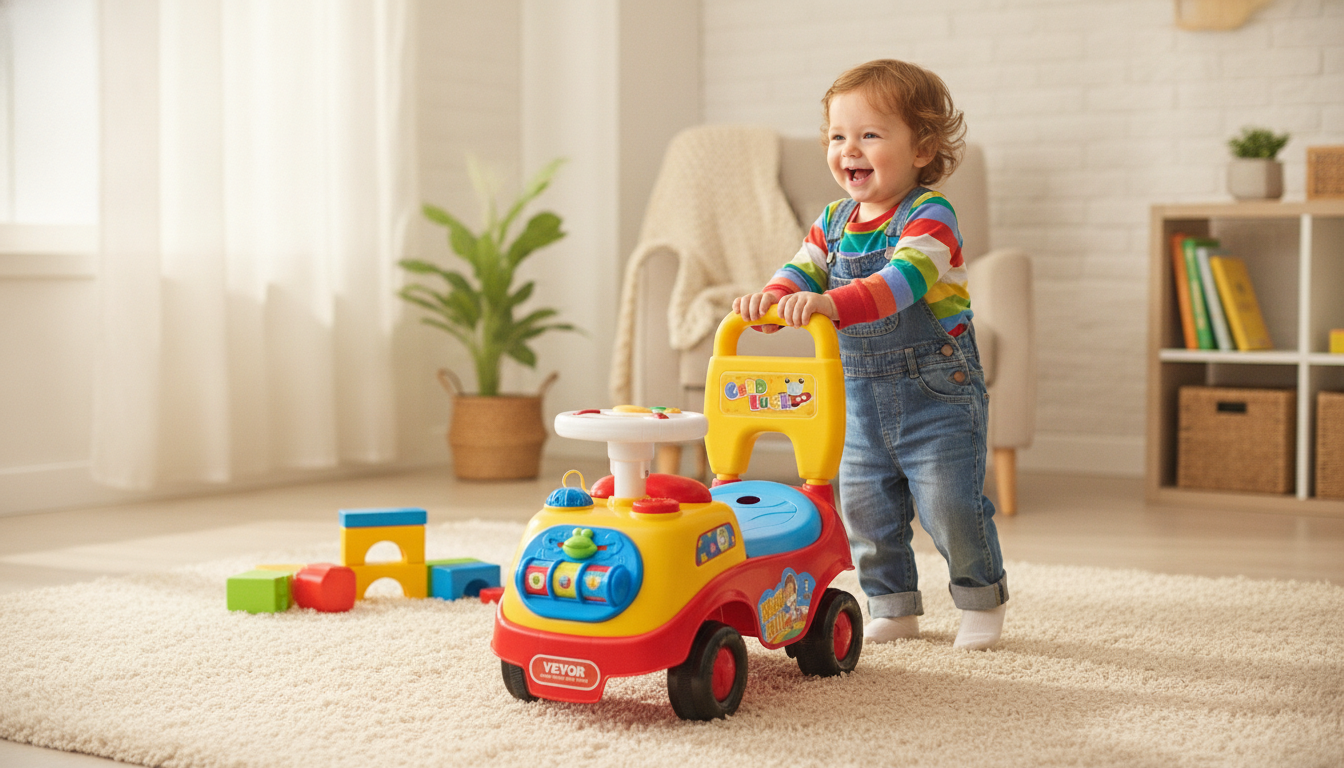
Toddler Ride On Push Car: Sit-to-Stand Fun with Music and Handy Storage (Ages 1–3)
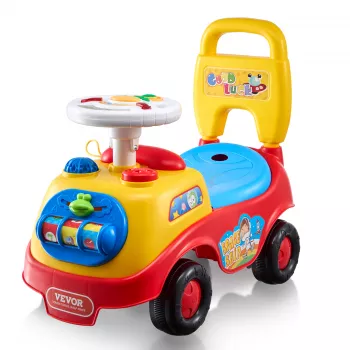
A ride-on push car that doubles as a sit-to-stand toy can keep little ones moving while supporting early balance and coordination. With built-in music and a small storage compartment, it adds playful motivation and a practical spot for tiny treasures during everyday indoor or outdoor adventures.
What This Ride-On Push Car Helps Kids Practice
Toddlers learn best through repetition and movement. A sit-to-stand push car naturally invites short bursts of scooting, standing, and walking—skills that build confidence from one “try again” to the next.
- Sit-to-stand transitions that encourage leg strength and confidence
- Push-and-walk play that supports balance and gross motor development
- Steering and turning to practice coordination and spatial awareness
- Cause-and-effect learning through music buttons and interactive features
- Independent play with short “missions” like carrying a toy in the storage compartment
For a quick reference on what many children can do around age two, the CDC’s milestone guide is a helpful, parent-friendly benchmark: CDC: Important Milestones—Your Child By Two Years.
Features That Matter for Ages 1–3
Because ages 1–3 include big developmental shifts, the best ride-on push cars focus on stability, easy handling, and comfortable proportions for small bodies.
- Stable base and wide wheels to reduce tipping during early walking practice
- Comfortable seat height so feet can touch the ground for safe scooting
- Easy-grip handle for pushing and standing support
- Music feature for engagement; volume considerations help keep play pleasant
- Storage compartment for small toys, snacks (in a sealed container), or a soft book
- Smooth edges and kid-friendly shapes to help avoid bumps and pinches
One extra note: a ride-on push car is a play toy, not a child passenger safety device. For real car travel, follow child passenger safety best practices from a trusted medical source like the AAP: AAP: Car Seat Safety.
Quick Look: Sit, Stand, Push, Store
A simple routine tends to work well for toddlers: start seated scooting, move to supported standing, then push-walk across a short path. Keeping the “course” short helps reduce tumbles from fatigue and keeps the game feeling doable.
- Storage can be used as a “delivery box” game—place a plush toy inside and deliver it to a pillow “house”
- Music can be used as a reward after completing a lap or reaching a safe stopping spot
| Play mode | How to use it | Skills supported |
|---|---|---|
| Ride-on (seated scoot) | Toddler sits and pushes with feet on a flat surface | Leg strength, coordination, confidence |
| Push-walker (standing) | Toddler holds the handle and walks forward while pushing | Balance, gait practice, core stability |
| Music play | Press buttons during breaks or after a short goal | Cause-and-effect, attention, motivation |
| Storage play | Carry lightweight toys from one spot to another | Imagination, routines, independence |
Safety and Setup Tips for Everyday Use
Small adjustments in the play space can make a big difference, especially during the first week when toddlers test speed, steering, and “what happens if I turn fast?”
- Use on flat, dry surfaces; avoid steep driveways, stairs, and uneven gravel for early walkers
- Create a small “track” area with pillows or tape lines to guide safe turning and stopping
- Supervise closely, especially during the first week as toddlers test speed and steering
- Check wheel attachment and fasteners periodically; tighten if anything loosens with use
- Keep storage items lightweight and soft to reduce shifting weight while pushing
If play moves outdoors, aim for short cruises with frequent breaks. Toddlers often push hard in the first few minutes, then suddenly tire—having a predictable “parking spot” helps them stop safely and reset.
Who It’s Best For (and When to Wait)
A sit-to-stand ride-on push car fits a wide range of toddlers, but readiness matters more than a number on the box.
- Great fit for toddlers who are pulling up, cruising, or taking early steps and enjoy push toys
- Helpful for kids who like pretend play—“driving,” errands, and delivering toys
- Consider waiting if a child is not yet sitting steadily or is uncomfortable with supported standing
- If a child tends to climb aggressively, choose supervised play and keep the toy away from furniture edges
Product Spotlight: Toddler Ride On Push Car – Sit-to-Stand Toy with Music & Storage (Kids 1–3)
Gift Ideas and Simple Play Scenarios
Related in-stock picks (great as add-ons or grown-up downtime)
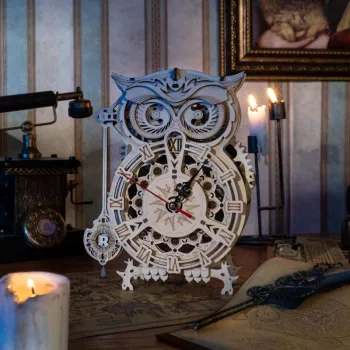
- DIY 3D Owl Clock Wooden Model Kit – Creative Puzzle Assembly Toy for Adults & Kids (a hands-on build for older siblings or adults while toddler plays)
- Nature’s Healing Power Checklist: Boost Your Mental Health with the Benefits of Nature (a simple wellness companion for parents planning outdoor play days)
- Vinyl Record Player C260, 3-Speed Bluetooth Vintage Turntable with Speakers (music for family time—separate from toddler toy sound)
FAQ
What age is a sit-to-stand push car best for?
Most sit-to-stand push cars are a good match for ages 1–3, especially when a toddler can sit steadily and is starting to pull up, cruise, or take early steps. Many children begin with seated scooting, then transition to standing push-walk play as balance improves.
Can toddlers use a ride-on push car indoors?
Yes—indoor use works well on flat, open spaces like playrooms or living rooms. Keep the toy away from stairs, use a simple path to reduce sharp turns, and supervise closely while a toddler learns how to steer and stop.
What should go in the storage compartment?
Choose lightweight, soft items like a small plush, a soft book, or a few chunky (non-choking-hazard) toys. Avoid heavy objects that can shift the toy’s balance, and keep snacks sealed to help prevent messes.













Leave a comment