Set the Mood in a Kids’ Room: Calm, Joyful, Imaginative
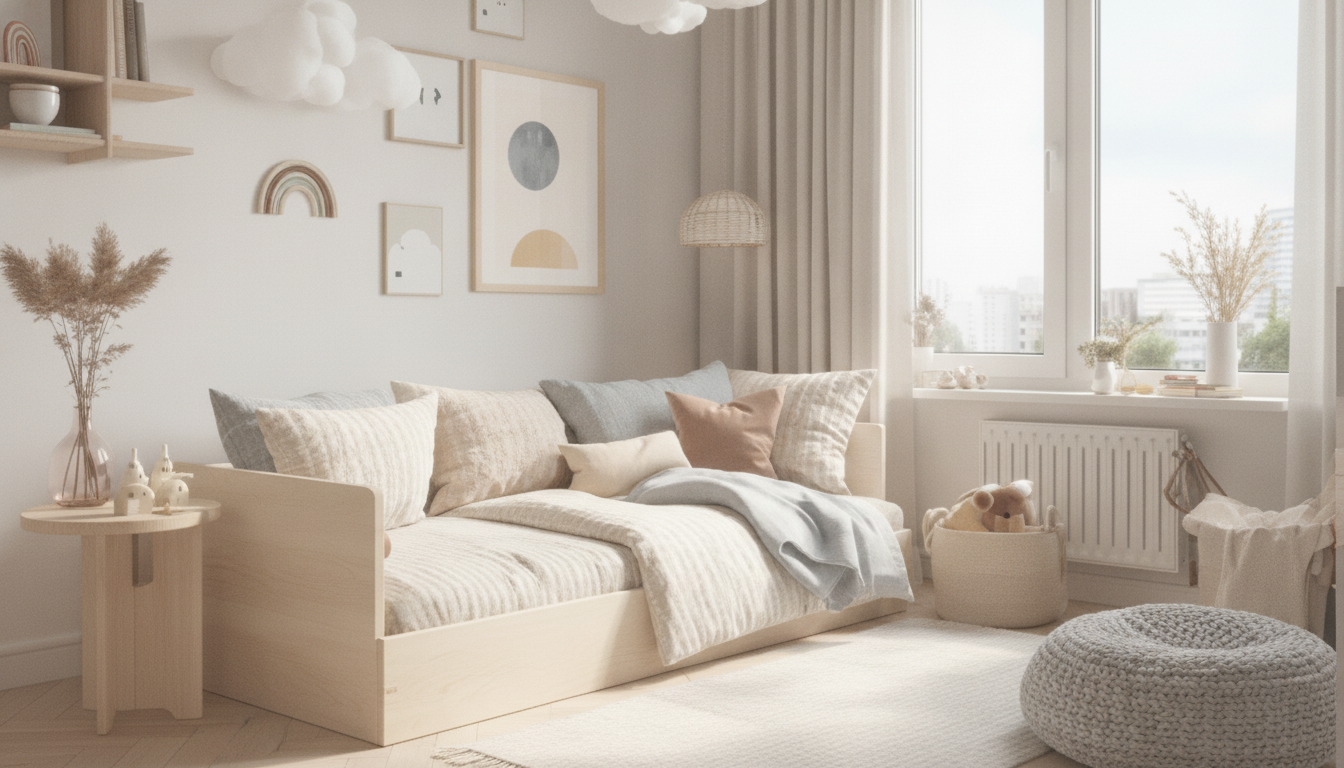
Magic in the Air of Childhood: Setting the Mood in a Kids’ Room
A child’s room can support rest, focus, play, and imagination—without expensive renovations. The “magic” usually comes from a few repeatable choices you can adjust over time: light, color, sound, texture, storage, and small rituals that make the space feel safe and inspiring. Below is a practical way to set the mood for different ages, room sizes, and budgets—one decision at a time.
Start With the Feeling: Calm, Joyful, or Imaginative
Before shopping or rearranging, decide what the room should feel like most of the time. Pick one primary mood (calm, joyful, or imaginative), then a secondary mood (cozy, adventurous, or focused) to keep choices consistent.
- Choose 3–5 guiding words (examples: “soft, airy, nature, storybook, warm”).
- Define what the room must support daily: sleep, homework/reading, open-floor play, creative making.
- Create a “yes list” (must-haves) and a “no list” (things that overstimulate, clutter, or cause conflict).
Mood-to-Room Blueprint (Quick Reference)
| Goal | Lighting | Color & Pattern | Textures | Best Add-Ons |
|---|---|---|---|---|
| Calm | Warm dimmable lamp + blackout option | Muted base + low-contrast accents | Soft rug, cotton bedding, plush throw | White noise, simple wall art, closed storage |
| Joyful | Bright daytime light + playful night light | Cheerful accents, small bold patterns | Mix of smooth + tactile (corduroy, knit) | Display shelf for creations, rotating gallery wall |
| Imaginative | Layered light (lamp + string lights) + spotlight for reading nook | Theme hints (not a full theme), storybook palette | Canopy, floor cushions, textured curtains | Pretend-play corner, props basket, wall map or mural panel |
Lighting Layers That Change the Whole Room
Lighting is the fastest mood-shifter because it affects both energy and wind-down. A simple, flexible setup uses three layers: general (ceiling), task (desk/reading), and ambient (night/soft glow).
- Use warm light in the evening to support bedtime routines; keep brighter, clearer light for daytime play and study.
- Add dimmers or smart bulbs where possible; if not, use multiple low-watt lamps instead of one harsh source.
- Create a predictable bedtime cue: same lamp, same brightness, same order (tidy → story → lights down).
- Keep cords managed and fixtures stable; choose shatter-resistant shades where appropriate.
For families tuning sleep habits, the American Academy of Pediatrics offers practical guidance on routines and consistency: Healthy Sleep Habits. If you want a deeper look at how light interacts with health, the CIE provides an overview of light and well-being resources: International Commission on Illumination (CIE).
Color and Pattern: Keep the Base Quiet, Let Accents Tell the Story
A calm base makes a room easier to live in as your child’s interests change. Keep big surfaces quiet—walls, rugs, large furniture—then let the “story” show up in swap-friendly accents.
- Put color in changeable items: bedding, removable prints, bin fronts, pillow covers.
- Limit high-contrast patterns near the bed; reserve bold pattern for play or creative zones.
- Create “color islands” to guide behavior: one palette for reading, another for making, another for play.
- For shared rooms, give each child a personalized palette through bedding, a pinboard, or a small shelf zone.
Zones Without Walls: Sleep, Create, Read, Play
You don’t need more square footage—just clearer purpose. Define zones with placement, lighting, and storage so kids intuit what happens where.
Sleep zone
- Reduce visual noise: keep only comfort items, a water cup spot, and a small book basket nearby.
- Use a steady, warm bedside light and keep the brightest lighting away from the bed area.
Create zone
Read zone
- Add soft task light, a small shelf, and a comfortable seat scaled to your child’s size.
- Consider a gentle audio backdrop for quiet time; for a warm, analog vibe, the Vinyl Record Player C260, 3-Speed Bluetooth Vintage Turntable with Speakers can support calm listening rituals (stories, classical, or a “cleanup playlist”).
Play zone
Textures and Sound: The Invisible Mood-Setters
For additional sleep and health context, the CDC’s sleep hub is a reliable reference point: Sleep and Sleep Disorders.
Storage That Supports Independence (and Looks Peaceful)
Tiny Rituals That Make the Room Feel Magical
For a hands-on project that becomes part decor, part ritual (“build it together, then hang it”), consider the DIY 3D Owl Clock Wooden Model Kit – Creative Puzzle Assembly Toy for Adults & Kids. It can fit naturally into an imaginative or focused room, especially near a reading or making zone.
A Practical Digital Guide to Pull It All Together
When you’re balancing mood, function, and budget, a repeatable method prevents overbuying and helps you make changes that still feel cohesive months later. The Magic in the Air of Childhood — How to Set Mood in Kids Room (Digital Guide) is designed to translate “how you want it to feel” into clear steps for lighting, layout, and decor, with prompts that keep decisions simple.
FAQ
How can a kids’ room feel calmer without repainting?
Swap in warm, dimmable lighting for evenings, reduce visual clutter with closed storage, and keep high-contrast patterns away from the bed. Adding soft textiles (a rug, curtains, fabric bins) can also cut echo and make the room feel quieter.
What’s the easiest way to create zones in a small room?
Use one rug to define the main play/reading footprint, add a small bookshelf or basket system for boundaries, and assign different lighting to each area (reading lamp vs. brighter play light). Keep the center open so the room still feels spacious and easy to move through.
How do you keep a themed room from feeling overwhelming?
Start with a quiet base and add theme through small, changeable accents like prints, bedding, and a few props. Avoid wall-to-wall patterns and keep the bedtime area especially simple so the room still supports rest.











Leave a comment