600W Cordless Vacuum: Fast Cleaning for Home & Car
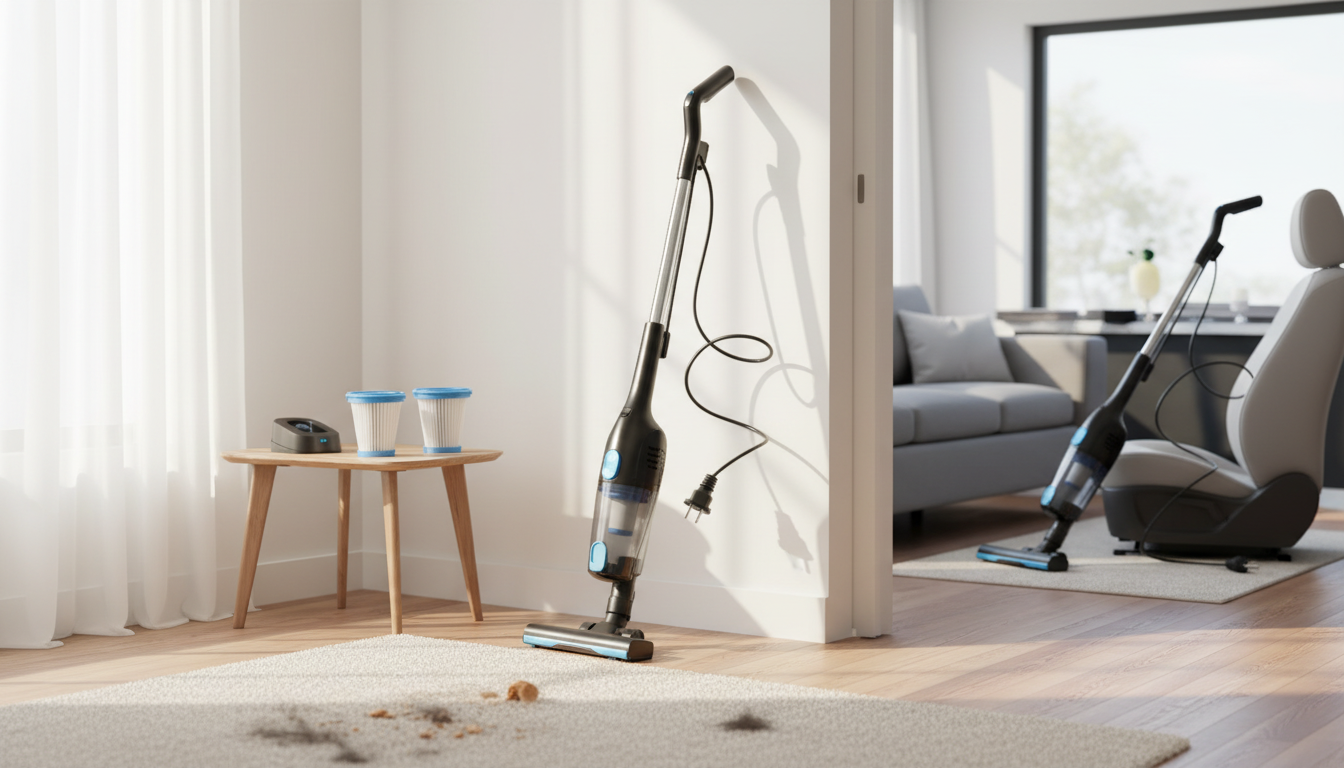
600W Cordless Vacuum Cleaner: Quick, Lightweight Cleaning for Floors, Cars, and Tight Spaces
A cordless vacuum can make daily cleanup faster—especially for crumbs, pet hair, and dust in hard-to-reach areas. A 600W cordless vacuum is typically chosen for convenience: quick pickups around the kitchen, fast touch-ups at entryways, and detail cleaning in cars and tight corners where dragging out a full-size machine feels like overkill. Below is a practical look at where this style of vacuum shines, which features matter most, and simple habits that help keep suction consistent.
What a 600W cordless vacuum is best for
If most messes in your home are small, frequent, and spread out (rather than wall-to-wall deep carpet soil), a cordless vacuum can become the tool you grab first. A 600W model is especially handy in these scenarios:
- Fast touch-ups on hard floors, rugs, and entryways
- Cleaning car seats, floor mats, cup holders, and trunk corners
- Stairs, baseboards, shelves, and tight gaps where a full-size vacuum feels bulky
- Spot-cleaning around pet bowls, litter areas, and high-traffic zones
- Backup vacuum for apartments, dorms, RVs, and offices
For larger homes, it often fits best as an “everyday” vacuum for visible debris, paired with a deeper-clean upright or canister for weekly resets (especially if you have thick carpet or lots of shedding).
Key features to check before buying
Two cordless vacuums can look similar but perform very differently during real cleaning. These checkpoints help you choose a model that stays useful after the first few weeks:
- Suction and airflow: consistent pickup matters more than peak claims; stable performance across short sessions is what you’ll notice day to day.
- Battery and runtime: think in “bursts” (kitchen floor, car interior, stairs). Convenient charging matters as much as total minutes.
- Dustbin capacity: larger bins reduce emptying, while smaller bins can keep the unit lighter and easier to maneuver.
- Filtration: washable filters reduce ongoing costs; HEPA-grade filtration can be helpful for fine dust sensitivity.
- Attachments: crevice tools and brush heads expand what the vacuum can handle beyond open floors.
- Noise and weight: lighter units are easier for stairs, quick passes, and overhead areas like vents or corners.
If indoor dust is a concern, it also helps to follow general guidance for keeping particles under control—resources like the EPA’s Indoor Air Quality pages offer practical, home-focused context.
At-a-glance: where it fits in a home cleaning routine
A cordless vacuum earns its spot when it reduces friction. Instead of waiting until mess accumulates, it supports quick daily maintenance—especially in kitchens, entryways, and pet zones.
- Use it daily for visible debris; keep a deeper-clean tool (upright/canister) for weekly whole-home vacuuming if needed.
- Ideal for quick passes after cooking, kids’ snacks, or tracking in outdoor dust.
- Most useful as a grab-and-go option for corners, edges, and upholstery.
| Task | Recommended approach | Tip for better results |
|---|---|---|
| Hard floors (crumbs, dust) | Cordless vacuum | Use slow strokes along baseboards and under cabinet edges. |
| Low-pile rugs | Cordless vacuum (short sessions) | Make two passes in different directions for better pickup. |
| Car interior | Cordless vacuum + crevice tool | Start with seats, then seams, then floor mats and rails. |
| Pet hair on upholstery | Cordless vacuum + brush head | Vacuum after a quick lint-roll or rubber glove swipe to lift hair. |
| Stairs | Cordless vacuum (lightweight handling) | Work top-down so debris doesn’t fall onto cleaned steps. |
Product spotlight: 600W Cordless Vacuum Cleaner
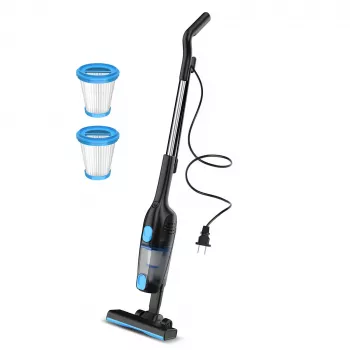
The 600W Cordless Vacuum Cleane is built for convenient cordless use when a quick cleanup is needed. It’s a practical pick for multi-surface touch-ups and compact spaces, and it’s positioned as a budget-friendly option compared with many premium cordless models.
To get the most from a cordless vacuum at this price point, pair it with simple maintenance habits: empty the bin before it packs down, keep the filter clean, and check the air path after vacuuming hair-prone areas like rugs, car mats, and upholstered seats.
How to get better suction and fewer clogs
Most “loss of suction” complaints come down to airflow restrictions—not a sudden failure. These small steps usually bring performance back quickly:
- Empty the dustbin early: airflow drops as bins fill, especially with fine dust and pet hair that compacts.
- Clean the filter regularly: tap out dust; rinse washable filters if applicable, then let them dry completely before reinstalling.
- Inspect the nozzle and air path: hair, thread, and fuzz can wrap and form a mat that blocks suction.
- Avoid large debris: items like paper clips or gravel can jam the intake or damage internal parts.
- Use the right attachment: a crevice tool is better for seams and corners than forcing the main head into tight spaces.
For households that also focus on reducing germs on high-touch surfaces, general cleaning guidance from the CDC’s cleaning recommendations can help you coordinate vacuuming with broader cleaning routines.
Care, charging, and storage tips
More in-stock finds
- Vinyl Record Player C260, 3-Speed Bluetooth Vintage Turntable with Speakers
- DIY 3D Owl Clock Wooden Model Kit – Creative Puzzle Assembly Toy for Adults & Kids
FAQ
Can a cordless vacuum handle pet hair?
Yes for daily maintenance on floors and upholstery, especially with a brush attachment. Thick, embedded hair in high-pile carpet may still need a deeper-clean vacuum for best results.
How often should the filter be cleaned?
For frequent use, check weekly and clean when visibly dusty or when suction drops. If you rinse a washable filter, let it dry fully before putting it back in.
What causes suction to suddenly drop?
Most often it’s a full dustbin, a clogged nozzle/air path, or a dusty filter. Also confirm the battery is charged, since low power can reduce pickup.













Leave a comment