Cactus Litter Scoop + Holder: Faster, Cleaner Daily Scoops
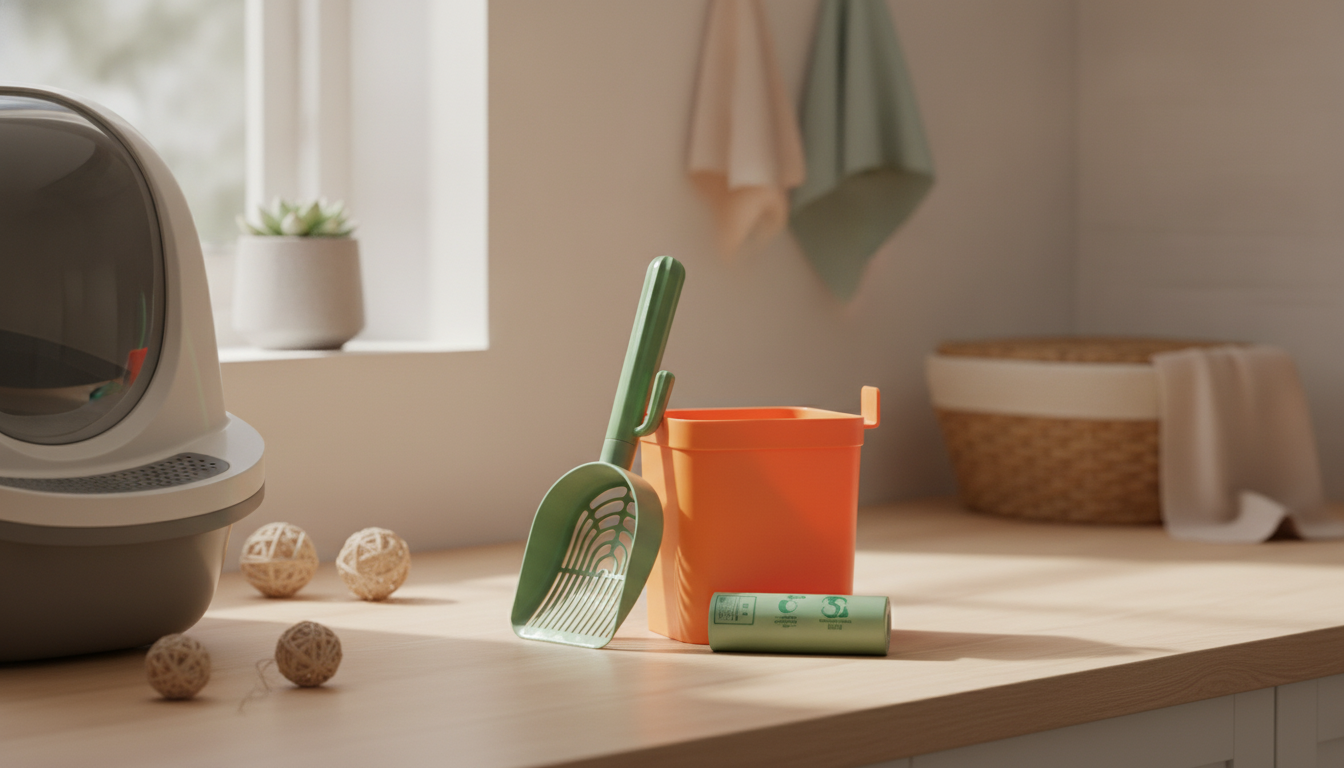
Keeping Litter Box Cleanup Simple with a Scoop-and-Holder Set
Keeping the litter box tidy is easier when the right tool is always within reach. A cactus-shaped scoop that pairs a sturdy sifter with a dedicated storage holder helps reduce mess around the box, speeds up daily cleanups, and keeps the scoop off the floor between uses. Instead of searching for a misplaced scoop (or setting it on an edge where it can tip), the holder creates a tidy “home base” right next to your cat’s toilet area.
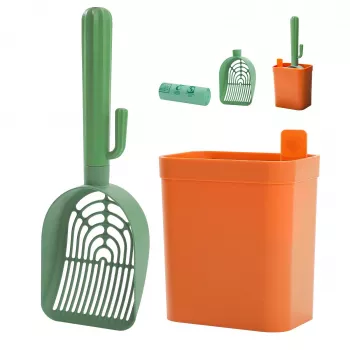
If you’re setting up a cleaner, more organized litter station, consider the Cactus Cat Litter Scoop with Storage for Easy Cat Toilet Cleaning—a practical tool that looks neat in open spaces like bathrooms, laundry rooms, and mudrooms.
What Makes a Scoop-and-Holder Set So Practical
- Keeps the scoop stored upright in a matching container to help contain residue and stray granules.
- Reduces “where did the scoop go?” moments by creating a consistent spot next to the litter box.
- Helps the area look more organized—useful for open litter stations in bathrooms, laundry rooms, or hallways.
- Supports faster daily maintenance, which can encourage better litter box habits for many cats.
Small improvements in routine can make a big difference over time. Regular scooping helps cut down on odor and can reduce the chance of litter box avoidance. For more context on common litter box challenges, the ASPCA’s guidance on litter box problems is a helpful reference.
Design Details That Matter During Daily Cleaning
A litter scoop seems simple—until you use it every day. Details like how the scoop parks, how it feels in your hand, and how well it sifts clean litter back into the box can directly affect speed and cleanliness.
- Storage holder: provides a dedicated place to park the scoop after use, helping keep floors and mats cleaner.
- Grip and handling: look for a comfortable handle shape for quick, repeated scoops without slipping.
- Sifting head: openings should allow clean litter to fall through while retaining clumps and solid waste.
- Stable placement: a holder that sits flat is less likely to tip when set beside the box.
- Easy-rinse surfaces: smoother plastic surfaces can be faster to rinse and wipe dry between deep cleans.
Quick-Start Routine for Cleaner Litter Box Days
A consistent routine is more effective than an occasional deep clean. The goal is to remove waste before it breaks apart, spreads odor, or sticks to the scoop.
- Place the holder next to the litter box on a washable mat to catch stray litter.
- Scoop at least once daily; twice daily can help reduce odor and keep clumps from breaking apart.
- Use short, gentle shakes to sift clean litter back into the box while keeping clumps intact.
- Tap the scoop lightly on the box edge (if needed) to dislodge sticking litter—avoid hard banging that can scatter grit.
- Empty waste into a small bag, tie off, and dispose according to local waste rules.
For households with anyone at higher risk from toxoplasmosis (including pregnant people and immunocompromised individuals), follow additional safety guidance like careful handwashing and avoiding contact with waste. The CDC’s toxoplasmosis prevention information outlines risk reduction steps.
Cleaning the Scoop and Storage Holder (Fast and Hygienic)
Even with a holder, the scoop and container should be cleaned regularly so residue doesn’t become an odor source. A quick wipe most days and a rinse once a week can keep the station fresh.
Feature Comparison: Scoop with Storage vs. Basic Scoop
Practical differences at a glance
| Feature | Scoop with Storage Holder | Basic Scoop (No Holder) |
|---|---|---|
| Where it goes after use | Stands in a container beside the box | Often placed on the floor, box edge, or a random surface |
| Mess control | Helps contain residue and stray litter | More likely to leave granules or marks where it’s set down |
| Station organization | Creates a clear “litter tools” zone | May require a separate tray or hook to stay tidy |
| Convenience | Grab-and-return workflow | Can be misplaced or feel awkward to store |
Best Fits for Different Cat Homes
Common Issues and Simple Fixes
Product Snapshot
- Name: Cactus Cat Litter Scoop with Storage for Easy Cat Toilet Cleaning
- Price: $20.51 USD
- Availability: In stock
- Why it’s useful: A functional scoop paired with a dedicated storage container to help keep the litter area cleaner and more organized.
More In-Stock Finds for a Tidy, Comfortable Home
- Wireless RF Signal Detector Hidden Camera & GSM Bug Finder Pen for checking personal spaces and travel rentals.
- DIY 3D Owl Clock Wooden Model Kit – Creative Puzzle Assembly Toy for Adults & Kids for a hands-on project that doubles as décor.
- Nature’s Healing Power Checklist: Boost Your Mental Health with the Benefits of Nature for simple, screen-light ways to reset your day.
FAQ
How often should a litter box be scooped?
At least once daily is a practical baseline, and twice daily can be even better for odor control and keeping clumps intact. Multi-cat homes typically need more frequent scooping to stay consistently clean and inviting for every cat.
How do you clean and disinfect a litter scoop safely?
Rinse with warm water and wash with mild dish soap for routine cleaning. For occasional disinfection, use a pet-safe product as directed, rinse thoroughly, and let everything dry completely before storing it back in the holder.
Does a scoop holder help with litter mess around the box?
Yes—storing the scoop in a holder helps contain residue and stray granules that might otherwise fall onto the floor or mat. It also keeps the used scoop from touching other household surfaces between cleanings.














Leave a comment