Gradient Blue S925 Tennis Bracelet: Fit, Style & Care
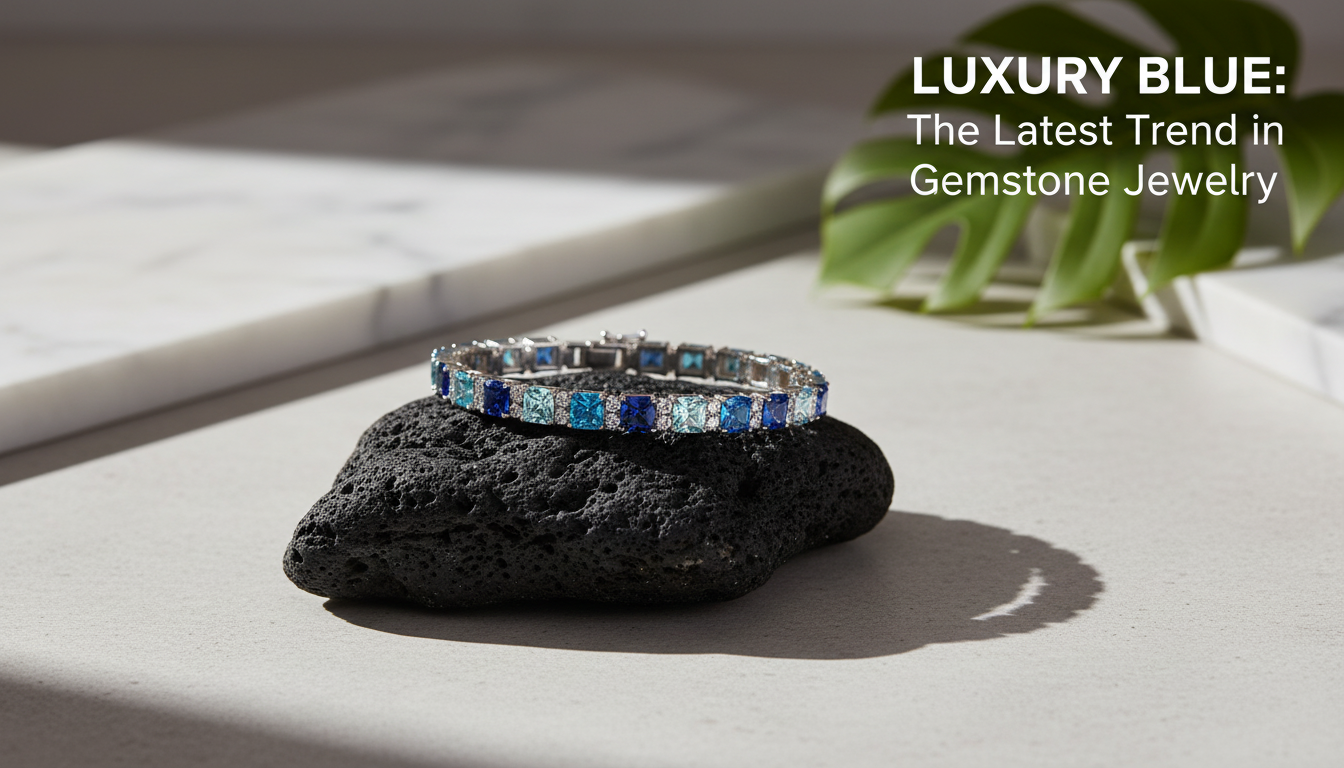
Gradient Blue S925 Tennis Bracelet: Color, Shine, and Everyday Wear
A gradient tennis bracelet gives a classic, streamlined silhouette a modern refresh. Instead of a single uniform stone color, the bracelet shifts through shades—creating depth that reads sleek from afar and detailed up close. If you like jewelry that feels polished without being overly loud, a blue gradient paired with sterling silver can be an easy everyday favorite. Below, you’ll find what makes the gradient design special, what “S925” really means, how to style and care for it, and what to check before buying so it looks brilliant and wears comfortably.
What Makes a Gradient Tennis Bracelet Different
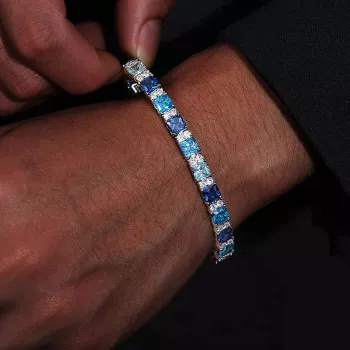
A traditional tennis bracelet uses stones of the same color set in a continuous line. A gradient tennis bracelet, by contrast, transitions through lighter-to-deeper shades (or vice versa), giving the wrist a more dimensional look without changing the bracelet’s classic structure.
The color shift also creates a natural focal point: it can look understated at a distance, while the tonal variation becomes more noticeable up close. That “second look” effect is a big reason gradient designs feel intentional rather than simply mixed or mismatched.
Gradient styles are easy to work into different wardrobes. With minimalist outfits, the bracelet can act as a single statement piece—clean, bright, and precise. With layered stacks, a gradient can function like a color “bridge” between metals or other gemstones, helping the whole wrist look coordinated rather than crowded.
Blue gradients tend to be especially versatile: they pair naturally with denim, crisp white tops, charcoal, navy, and other neutrals, and they look right at home next to cool-toned metals.
Spotlight: Gradient Blue S925 Tennis Bracelet
The Gradient Blue S925 Tennis Bracelet brings together two elements that amplify each other: a reflective sterling silver base and a smooth blue color flow. Sterling silver (marked S925) has a bright, clean shine that complements cool-toned stones, while the gradient layout keeps the bracelet feeling curated rather than random.
Because it follows the classic tennis-bracelet layout, it’s designed to sit neatly along the wrist—flat, elegant, and comfortable for daily wear. For long-term wearability, the biggest practical details are a strong clasp and consistent stone setting. A secure closure and even spacing help the bracelet stay aligned and reduce the risk of snagging.
Quick details at a glance
| Feature | What it means for wear |
|---|---|
| Material: S925 sterling silver | Bright shine; can tarnish over time but cleans easily with proper care |
| Gradient blue stones | Soft color transition; adds visual interest without being loud |
| Tennis bracelet silhouette | Typically flexible and comfortable; designed to sit neatly along the wrist |
| In stock | Available for ordering while inventory lasts |
How to Choose the Right Fit and Look
Start with wrist size
For a comfortable drape, measure your wrist with a soft tape (or a piece of string you can lay against a ruler) and add about 0.5–0.75 inches (1.25–2 cm). Add less if you want a snug, dressy fit that stays in place; add a touch more if you like a relaxed movement that feels airy.
Inspect the stone setting
A tennis bracelet should look even from end to end. Check that the stones sit level, prongs or bezels appear uniform, and there are no visible gaps. Small inconsistencies can lead to snagging on knits, hair-catching, or stones loosening over time.
Look for a smooth gradient flow
The most refined gradient designs transition gradually. Abrupt jumps in shade can still work if you want high contrast, but a smooth flow typically reads more polished and intentional—especially when worn as a standalone piece.
Prioritize clasp security
The clasp is the “make or break” detail for daily wear. A reliable closure should feel firm when shut and not pop open with light pressure. If you’ll wear the bracelet often, clasp confidence matters as much as the stones.
Consider skin sensitivity and wear habits
Styling Ideas: From Minimal to Stacked
Single-piece statement
Layering with intention
Office-friendly polish
Evening coordination
Seasonal pairing
Care Tips for Sterling Silver and Stone Shine
Sterling silver is prized for its brightness, but it can tarnish over time. (S925 means 92.5% silver content; the remaining alloy helps durability.) For background on sterling silver composition, see Encyclopaedia Britannica’s overview.
For additional general guidance on jewelry care routines, the GIA jewelry care page is a helpful reference.
Gift Guide: When a Gradient Bracelet Works Best
- Gradient Blue S925 Tennis Bracelet — the main gift with a polished, wearable pop of color.
- DIY 3D Owl Clock Wooden Model Kit – Creative Puzzle Assembly Toy for Adults & Kids — a hands-on add-on for someone who enjoys crafting.
- Vinyl Record Player C260, 3-Speed Bluetooth Vintage Turntable with Speakers — a fun “experience” gift to pair with jewelry for a bigger surprise.
- Nature’s Healing Power Checklist: Boost Your Mental Health with the Benefits of Nature — a small, thoughtful add-on for wellness-minded recipients.
FAQ
What does S925 mean on a tennis bracelet?
S925 means the bracelet is made with sterling silver containing 92.5% pure silver. Sterling silver can tarnish over time, but regular gentle wiping and dry storage typically keep it looking bright.
How should a tennis bracelet fit on the wrist?
A simple rule is wrist measurement plus 0.5–0.75 inches (1.25–2 cm) for a comfortable drape. Choose a smaller addition for a snug, dressy fit and a slightly larger one if you prefer more movement.
Can sterling silver bracelets be worn every day?
Yes—daily wear is common, but it helps to remove the bracelet for swimming and chemical exposure, wipe it after wear, and store it dry. Frequent wear may mean more occasional polishing to maintain shine.










Leave a comment