Starting Over: Micro-Wins to Rebuild Confidence Fast
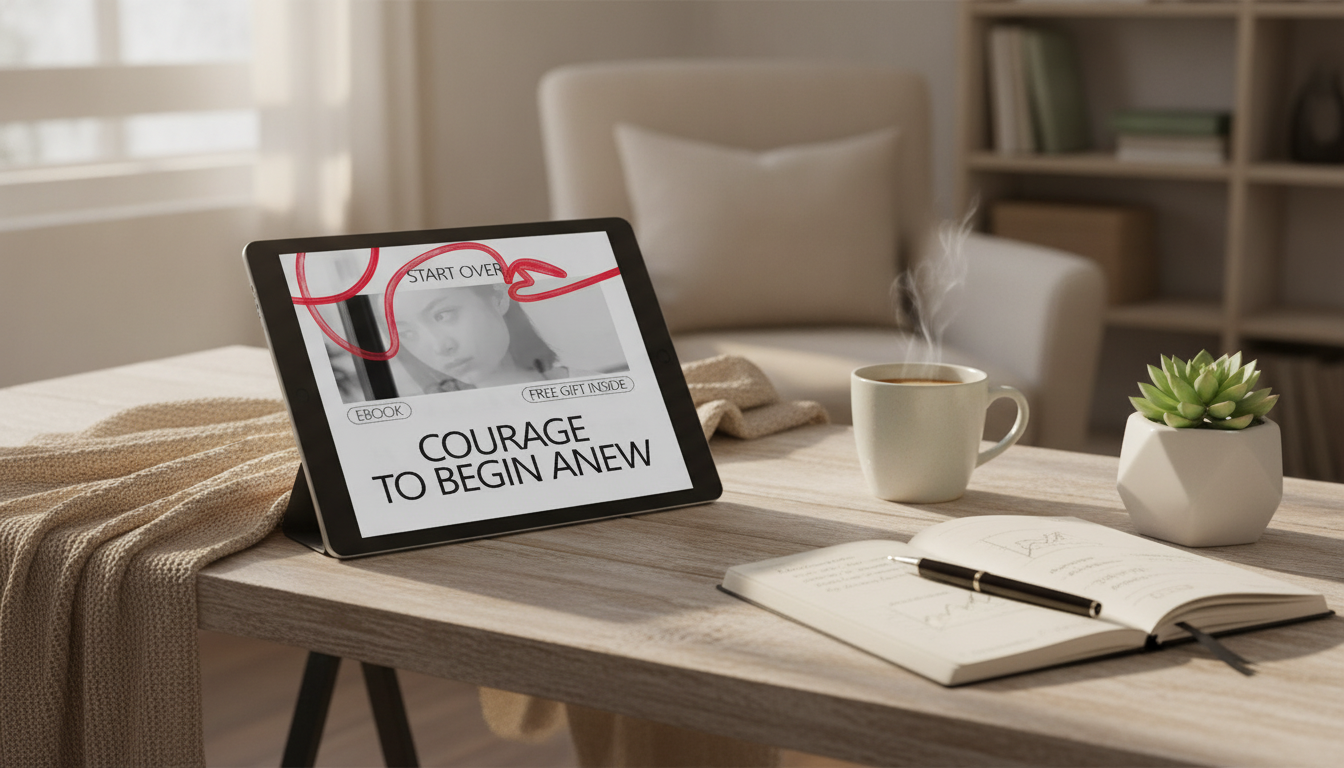
Starting over can feel like a mix of relief and fear—especially when confidence took a hit. A fresh start often looks clean on paper, but emotionally it can be noisy: your nervous system wants safety, your mind wants certainty, and your self-talk can get sharp. The most reliable path back to confidence isn’t a sudden breakthrough. It’s a practical reset: calm the body, rebuild self-trust through small wins, and turn uncertainty into one clear next step at a time.
When Starting Over Shakes Confidence
Confidence tends to dip during transitions because so much of your “proof” disappears overnight. Routines change, familiar roles shift, and progress becomes harder to measure. Common confidence drains include loss of structure, identity changes (job title, relationship status, location), fear of repeating old mistakes, and comparing your behind-the-scenes to someone else’s highlight reel.
Early on, “motivation” often fails because your brain prioritizes predictability during change. When life feels unstable, it’s normal to default to avoidance, perfectionism, or over-planning. Instead of treating confidence like a mood you must summon, treat it like evidence you build: actions taken, promises kept, and small risks survived.
Signs a confidence reset is needed include procrastination spikes, overthinking that replaces doing, avoidance of simple tasks, and harsh self-talk that makes every step feel like a test you can fail.
A Mindset Reset That Actually Sticks
A reset that lasts starts with stabilization. If sleep, hydration, and movement are inconsistent, emotions can swing more dramatically, making decisions feel heavier than they are. Even one steady anchor—like a consistent wake time—can reduce emotional volatility and make follow-through easier.
Next, separate facts from stories. Write what happened in plain language (“I left my job,” “the relationship ended,” “I moved”) and then write what your mind says it means (“I’m behind,” “I’m unlovable,” “I can’t handle change”). This creates space to challenge interpretations without denying reality.
Then use a simple identity anchor: “I’m someone who keeps promises to myself—small ones count.” Confidence rebuilds faster when you stop waiting to feel ready and start practicing self-respect in tiny ways.
Finally, replace all-or-nothing rules with minimums. A 10-minute baseline keeps momentum alive on low-energy days. Minimums prevent the “I missed once so I quit” pattern and give you a reliable way to return after disruptions.
Micro-Wins: The Fastest Way to Rebuild Self-Trust
Micro-wins work because they’re measurable and repeatable. Choose one tiny daily action tied directly to your restart—health, career, relationship healing, moving, or finances. Track completion, not intensity. Consistency is the confidence engine.
To counter the brain’s negative bias, keep a “proof list”: a running log of kept commitments. It can be as simple as a note on your phone that says, “Today I did the thing.” Over time, that list becomes hard evidence that you are someone who follows through.
Supportive constraints help, too: set up your environment so the next step is the easiest step. Lay out walking shoes by the door, open the budget spreadsheet before bed, or place a journal on your pillow. When friction is low, you need less willpower.
Micro-win ideas for common fresh starts
| Fresh start area | Daily micro-win (5–15 minutes) | Confidence signal it builds |
|---|---|---|
| Career reset | Update one bullet on a resume or portfolio | Competence and forward motion |
| After a breakup | Write a 3-line boundary or need statement | Self-respect and clarity |
| Moving to a new place | Introduce yourself to one neighbor or colleague | Belonging and social safety |
| Health reboot | 10-minute walk or stretch | Agency and physical readiness |
| Financial restart | Review one bill or set a $10 transfer | Control and stability |
How to Handle Setbacks Without Losing Momentum
For additional stress support during tough transitions, reputable guidance on coping skills can be found through the CDC’s stress and coping resources, and resilience-building principles are outlined by the American Psychological Association.
Guided Prompts for a Clean Break from Old Patterns
If you’re using mindfulness to steady the first steps, the NCCIH overview on meditation and mindfulness is a helpful, research-informed starting point.
A Practical Workbook to Support Your Fresh Start
If you want structure (and not just inspiration), Courage to Begin Anew – Confidence Building eBook Guide is designed as a confidence-building workbook for starting over. It focuses on steady progress: grounding prompts, mindset reset exercises, and action steps that turn uncertainty into a repeatable plan.
Pairing idea: add a short nature-based mental health check-in to reduce stress while building momentum. The Nature’s Healing Power Checklist is an easy add-on when you want a quick reset that supports calm and clarity.
And if your restart needs a low-stakes way to practice focus and follow-through, a hands-on project can be a surprisingly effective confidence boost. The DIY 3D Owl Clock Wooden Model Kit offers a step-by-step build that rewards patience and consistency—two skills that translate well to bigger life changes.
FAQ
How long does it take to rebuild confidence after starting over?
Many people feel a noticeable shift within 2–8 weeks when they complete consistent micro-wins. Confidence tends to follow repeated evidence and self-trust, not a single dramatic moment.
What if fear and overthinking stop the first step?
Use a minimum viable action (5 minutes), do a brief grounding or breathing pause, and separate facts from stories on paper. Then reduce friction by setting up your environment so the next step is the easiest step.
Can a workbook help with confidence, or is therapy required?
A workbook can help build insight and habits through structured prompts and consistent action. Therapy can be especially helpful for trauma, anxiety, or depression, and professional support is a strong option if symptoms feel overwhelming or persistent.
















Leave a comment