Global Travel Etiquette eBook: Tips for Any Country
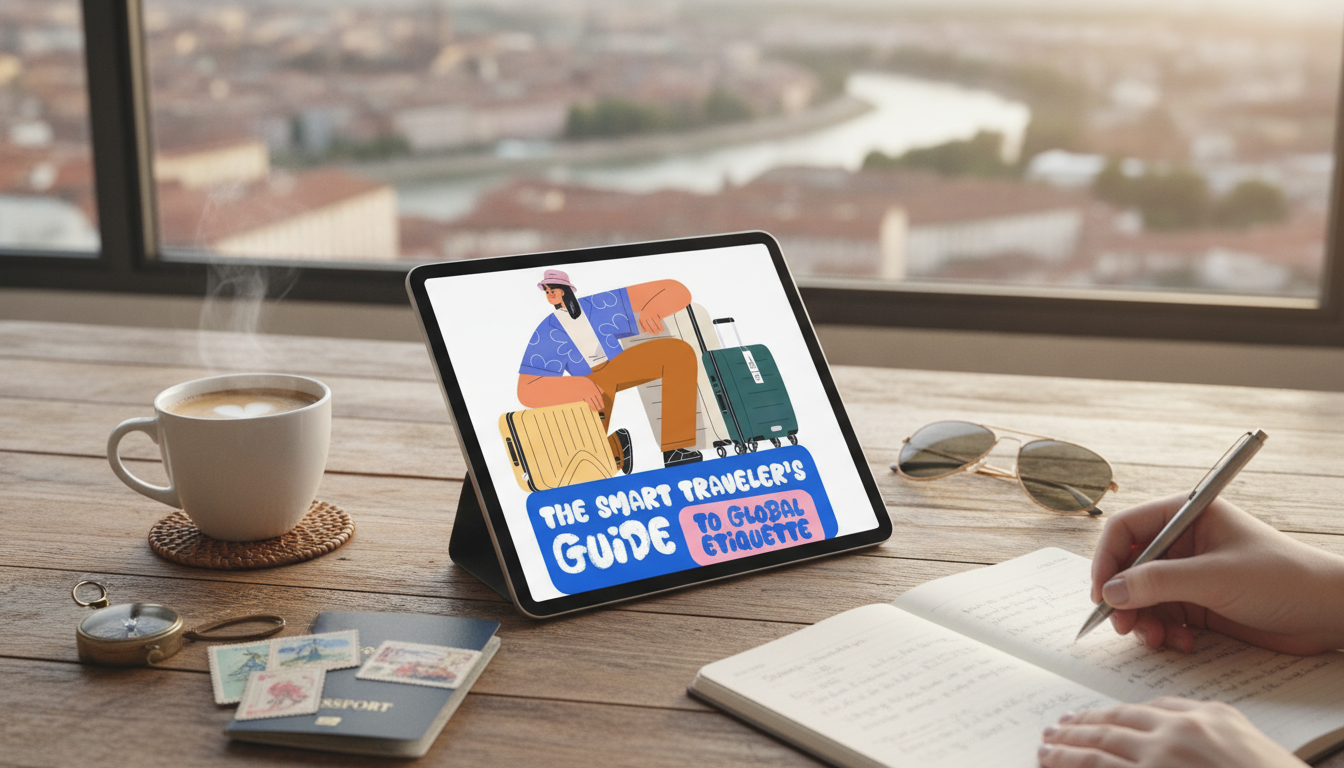
The Smart Traveler’s Guide to Global Etiquette: Cultural Tips and International Manners in a Digital eBook
Smooth travel often comes down to small details: greetings, personal space, dining rules, tipping expectations, and how to handle sensitive topics. This digital download eBook is built as a practical, quick-to-use reference for common situations—helping travelers avoid awkward moments and show respect across cultures.
Alongside common-sense observation, it also helps to cross-check official travel guidance for each destination, such as the U.S. Department of State Country Information and the UK Foreign travel advice, especially when local rules or customs affect safety, documentation, or restricted sites.
What “good etiquette” looks like when traveling
Good etiquette on the road isn’t about performing perfectly—it’s about signaling respect, humility, and a willingness to adapt. Most people extend a lot of grace to visitors who are clearly trying.
Many misunderstandings come from everyday habits that feel “normal” at home: speaking volume, eye contact, punctuality, queueing, gestures, or how direct a “no” should be. A small mismatch can read as rude even when no offense is intended.
That’s why a reliable etiquette reference reduces stress in the moments that matter—hotel check-ins, restaurants, guided tours, business meetings, and family visits. Using local norms often leads to smoother service interactions, warmer conversations, and fewer unintentional offenses.
What the eBook is designed to help with
The Smart Traveler’s Guide to Global Etiquette (digital download eBook) is organized to be practical in real-life situations, including:
- Greetings and introductions: handshakes vs. bows, cheek kisses, titles, and formality levels.
- Dining and drinking manners: seating, sharing dishes, utensil norms, paying the bill, and toasts.
- Dress expectations: religious sites, business settings, beaches, and conservative public spaces.
- Communication style: direct vs. indirect phrasing, “saving face,” appropriate humor, and topic sensitivity.
- Public behavior: personal space, queue etiquette, photography, and noise levels.
- Tipping and service customs: when it’s expected, when it’s discouraged, and how to handle uncertainty politely.
It’s especially handy when plans shift—an unplanned invitation to a family meal, a last-minute formal dinner, or a tour that includes sacred or restricted spaces. For health and destination-specific precautions, it’s also smart to review CDC Travelers’ Health before you go.
Quick etiquette cheat sheet for common travel moments
Use this as a last-minute scan before meals, tours, or meetings—then adjust to cues from locals. When unsure, choose the more modest, quieter, and more formal option until the setting becomes clear. Pair etiquette with observation: follow host cues for shoes, seating, and who speaks first.
Common situations and safer default choices
| Situation | Safer default | What to watch for |
|---|---|---|
| Meeting someone new | Use a polite greeting and formal title when available | Handshake vs. bow; personal space; how names are used |
| Entering a home or sacred place | Ask about shoes and dress modestly | Shoe racks, head coverings, signs, host guidance |
| Dining out | Wait for seating cues and follow utensil/bread/hand norms | Who starts eating, shared plates, paying the bill |
| Tipping and service | Ask discreetly or check official guidance before tipping | Service charges, local expectations, when tipping is rude |
| Taking photos | Ask permission for people and be careful at religious/military sites | Posted restrictions, local comfort level, privacy concerns |
| Conversation topics | Start neutral: travel, food, local highlights | Political/religious sensitivity; directness vs. tact |
How to use the guide before and during a trip
- Before booking: Review cultural expectations that affect accommodations, transportation, and dress packing (for example, whether certain areas expect conservative clothing or quiet hours).
- 48 hours before departure: Skim high-impact topics—greetings, dining, tipping, and public behavior—so the basics feel familiar on day one.
- On arrival: Confirm major “do/don’t” items (shoes, gestures, photography, public affection), then adjust quickly based on what you observe.
- During the trip: Do short check-ins before meals, tours, or meetings; keep quick notes on what locals do in real time so you can repeat what works.
- After a mistake: Offer a calm apology, briefly explain unfamiliarity, and correct course fast. In most places, that combination restores rapport better than over-explaining.
Who benefits most from a global etiquette reference
- First-time international travelers who want confidence in unfamiliar settings.
- Frequent travelers who want a fast refresher before each new country or region.
- Digital nomads, remote workers, and expats navigating daily interactions with neighbors, coworkers, and service providers.
- Students, volunteers, and study-abroad travelers entering family homes and local communities.
- Business travelers who need polished manners for meetings, dinners, and gift-giving norms.
Digital download details to know
A thoughtful gift for travelers
As a practical digital gift, The Smart Traveler’s Guide to Global Etiquette (digital download eBook) pairs well with upcoming trips, language study, and exchange programs—particularly for travelers who value respectful, low-friction experiences.
For travelers who like a quick mental reset between busy travel days, consider adding Nature’s Healing Power Checklist for mental reset between travel days as a lightweight companion you can keep on your phone.
FAQ
Does the guide cover tipping and service customs?
Yes. It includes tipping and service guidance—one of the most common travel pain points—along with practical ways to handle uncertainty politely, such as checking for service charges or asking discreetly when norms vary by city or venue.
How is the eBook delivered after purchase?
It’s delivered as a digital download. After purchase, you typically receive a download link, save the file to your device, and keep an offline-accessible copy for travel days with limited connectivity.
Is this useful for business travel as well as vacations?
Yes. The etiquette topics apply to meetings and professional settings—introductions, titles, dining expectations, dress norms, and communication style—with an emphasis on choosing slightly more formal behavior until the local style is clear.














Leave a comment