Skincare + Makeup Balance: Glowy Skin, No Pilling
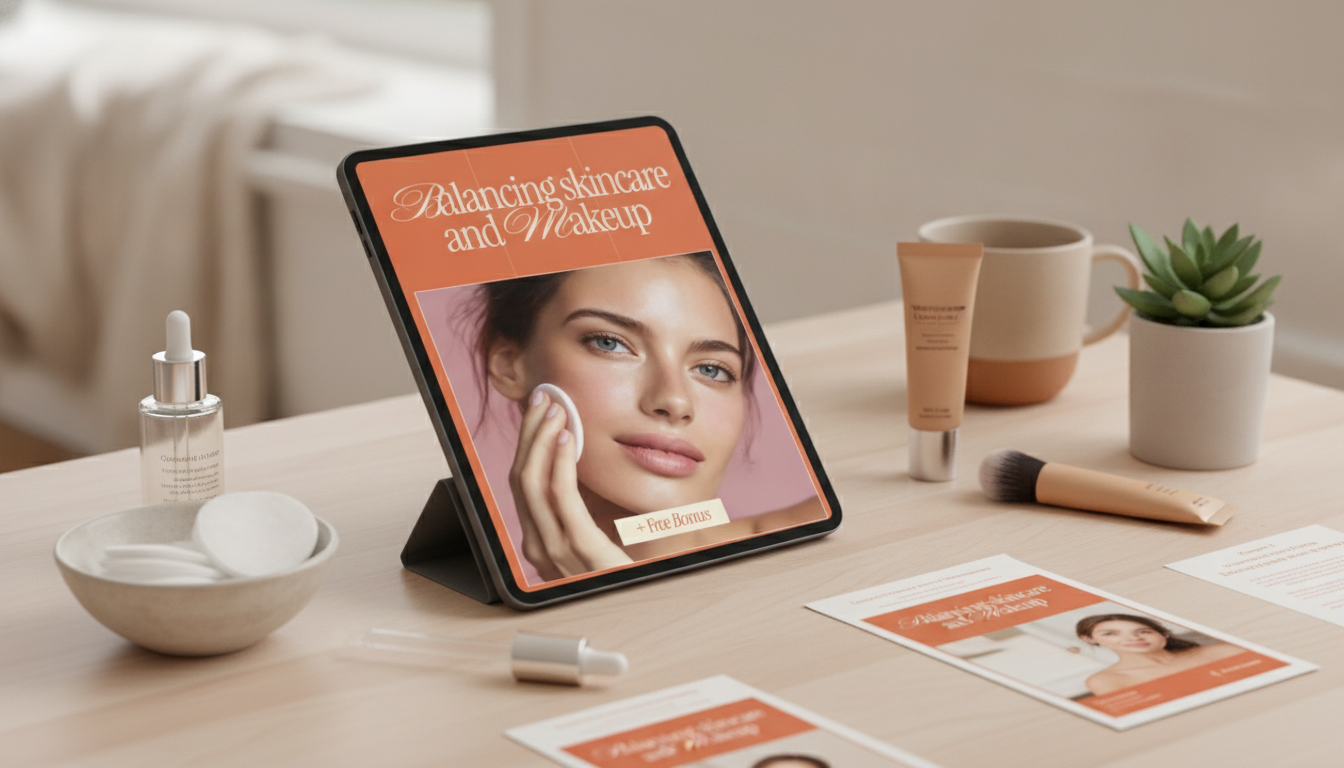
Balancing Skincare and Makeup: A Practical Beauty Guide for Glowing Skin
Glowing skin and long-wearing makeup work best when skincare supports (not competes with) the products layered on top. The goal is a routine that hydrates, protects, and smooths—without pilling, patchiness, or excess shine—so everyday makeup looks natural and feels comfortable from morning to night.
Start with the goal: skin comfort first, makeup second
If makeup looks uneven, it’s often a signal that the skin barrier is stressed—too dry, too oily from dehydration, or irritated from overdoing actives. Prioritize barrier support (hydration plus gentle actives) so complexion products glide on instead of clinging to texture. A simple rule that holds up in real life: keep mornings streamlined and save intensive treatments for nights when makeup isn’t going on top.
Match your base finish to what your skin actually needs that day. Dryness tends to look best with a dewy, flexible base, while combination skin typically benefits from a soft-matte balance (not flat matte). If oil shows up mostly in the T-zone, use targeted oil control there instead of “mattifying” the entire face and creating tightness on the cheeks.
Finally, give each layer a brief set time—about 30–60 seconds between skincare steps and a little longer for sunscreen—so products can form a smooth film rather than rolling up when makeup is applied.
Morning routine order that supports everyday makeup
A makeup-friendly morning routine is less about having more steps and more about choosing the right textures and timing. Cleanse lightly, hydrate only as needed, moisturize with a finish that plays well under foundation, and never skip sunscreen.
| Step | Purpose | Tips for makeup longevity |
|---|---|---|
| Gentle cleanse | Remove oil/sweat without stripping | Avoid harsh foaming cleansers if makeup clings to dry areas |
| Hydrating serum (optional) | Plump and reduce flaking | Use 1 thin layer; let it absorb fully to prevent pilling |
| Moisturizer | Smooth and support barrier | Apply a pea-to-dime size; press in, don’t over-rub |
| Sunscreen (SPF 30+) | UV protection (non-negotiable) | Let set 3–5 minutes before complexion products |
| Targeted primer (optional) | Improve texture and wear | Use only where needed; too much can cause slipping |
| Base makeup | Even tone and enhance glow | Choose finish that matches skin: radiant for dry, soft-matte for oily |
For sunscreen guidance and best practices, the American Academy of Dermatology Association is a helpful reference point, especially when you’re trying to find a formula you’ll actually wear daily under makeup.
How to avoid pilling, cakiness, and patchy wear
Pilling usually comes down to either layering too much, mixing textures that don’t play nicely, or applying products with too much friction. Thin layers are the fastest fix: multiple thick layers (especially moisturizer plus SPF) often create rolling once foundation is added. Let moisturizer and sunscreen dry down, then apply makeup with a press-and-pat motion instead of rubbing.
Texture compatibility matters, too. Silicone-heavy primers can conflict with very emollient skincare, and some sunscreens form a film that needs a few minutes to settle. If you’re troubleshooting, test your usual skincare + primer combo along the jawline for a few days and watch for separation before changing everything at once.
When dryness is localized, spot-prep. Tap a small amount of extra moisturizer around the mouth or under the eyes, but keep the rest of the face lighter so your base doesn’t slide.
Everyday makeup choices that respect the skin barrier
Comfortable makeup often looks more “skin-like” because it isn’t fighting dehydration or irritation. Consider swapping heavy full-coverage base for targeted coverage: a skin tint or tinted moisturizer plus concealer only where you need it (under-eyes, redness around the nose, or blemishes). If you love long-wear matte formulas, balance them with hydrated prep and avoid over-powdering.
Don’t overlook tool hygiene. Dirty brushes and sponges can contribute to irritation and breakouts; wash brushes weekly and clean sponges more often. For cosmetic safety basics and product labeling guidance, the U.S. Food & Drug Administration (FDA) cosmetics resources are a solid starting point.
Skin-type balancing: quick adjustments that make a big difference
Sensitive skin: Reduce fragrance and harsh exfoliation. Patch test new products and simplify the morning routine so makeup sits on calm, comfortable skin. For general skin-care education, NIH MedlinePlus offers an approachable overview.
Night routine: remove makeup completely without over-cleansing
A practical guide to building a balanced routine
If you want a structured, step-by-step reference to make daily decisions easier (especially when your skin changes with seasons, stress, or travel), consider Balancing Skincare and Makeup – A Practical Beauty Guide for Glowing Skin | How to Balance Skincare and Makeup Routines for Everyday Wear. Pairing a simple routine with a consistent self-care rhythm can also help habits stick—some people like using a lightweight wellness prompt such as Nature’s Healing Power Checklist: Boost Your Mental Health with the Benefits of Nature to stay on track when mornings feel rushed.
FAQ
How long should skincare sit before applying foundation?
Give moisturizer about 1–2 minutes to absorb and sunscreen about 3–5 minutes to set so complexion products don’t pill or separate. If your products dry down slowly, wait until skin feels tack-free rather than adding more powder to compensate.
Why does my makeup pill when I layer skincare and primer?
Pilling is commonly caused by too many layers, applying with too much rubbing, or mixing incompatible textures (like very emollient skincare under certain primers). Use thinner layers, let each step set, and test combinations on a small area before committing to a full face.
Should oily skin skip moisturizer to make makeup last longer?
No—skipping moisturizer can increase dehydration and trigger more oil, which can break down makeup faster. Use a lightweight gel-cream and set only the areas that actually get shiny.














Leave a comment